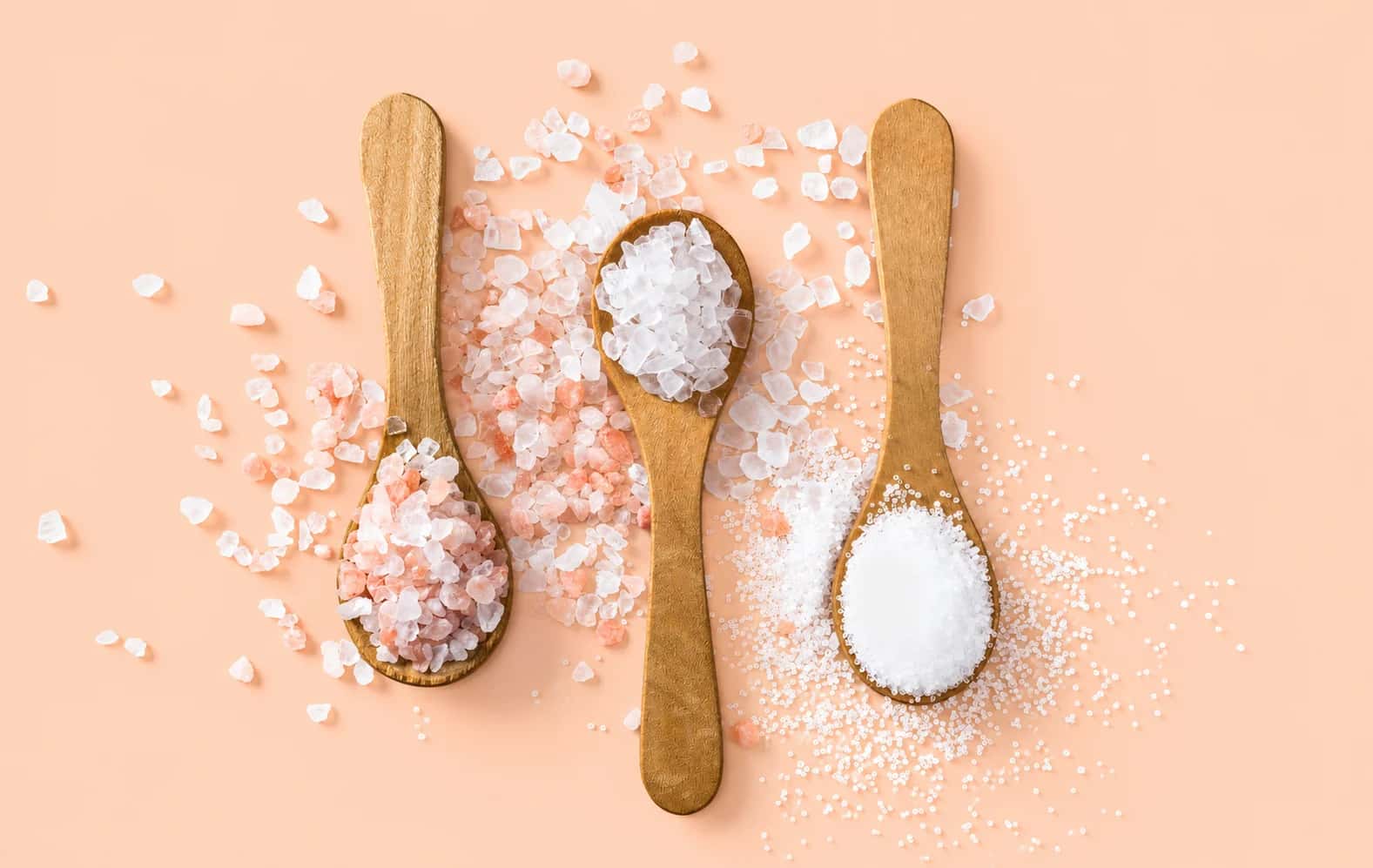
You know the feeling. You finish a big takeout dinner—maybe pizza, maybe ramen, maybe a hefty sandwich with the works—and a few hours later your rings feel snug. Your face looks softer in the morning mirror. You wake up at 2 a.m. parched and reach for water that doesn't quite seem to help. That puffy, thirsty, slightly slowed-down version of you is your body responding, in real time, to a sodium load.
Most of us underestimate just how much salt we eat. The Dietary Guidelines for Americans cap sodium at less than 2,300 mg a day for adults, and the American Heart Association points to 1,500 mg as the ideal for many of us. Yet the typical U.S. adult takes in around 3,400 mg daily—often without ever picking up a salt shaker. Roughly seven in ten of those milligrams come from packaged foods and meals eaten out, not from home cooking.
This piece isn't about fear, and it isn't a sermon. It's a calm, evidence-based tour of what habitually exceeding those targets actually does inside you, system by system. Some effects show up within hours. Others build quietly over years. A few only matter for people with a particular kind of biology. Knowing which is which is the difference between feeling alarmed and feeling informed.
Read this as a map, not a verdict. By the end you'll have a clearer picture of which bodily changes are short-term inconveniences, which are long-term concerns, and what kind of practical shifts—small label-reading habits, smarter restaurant choices, a few more potassium-rich plants—can move the needle for most people.