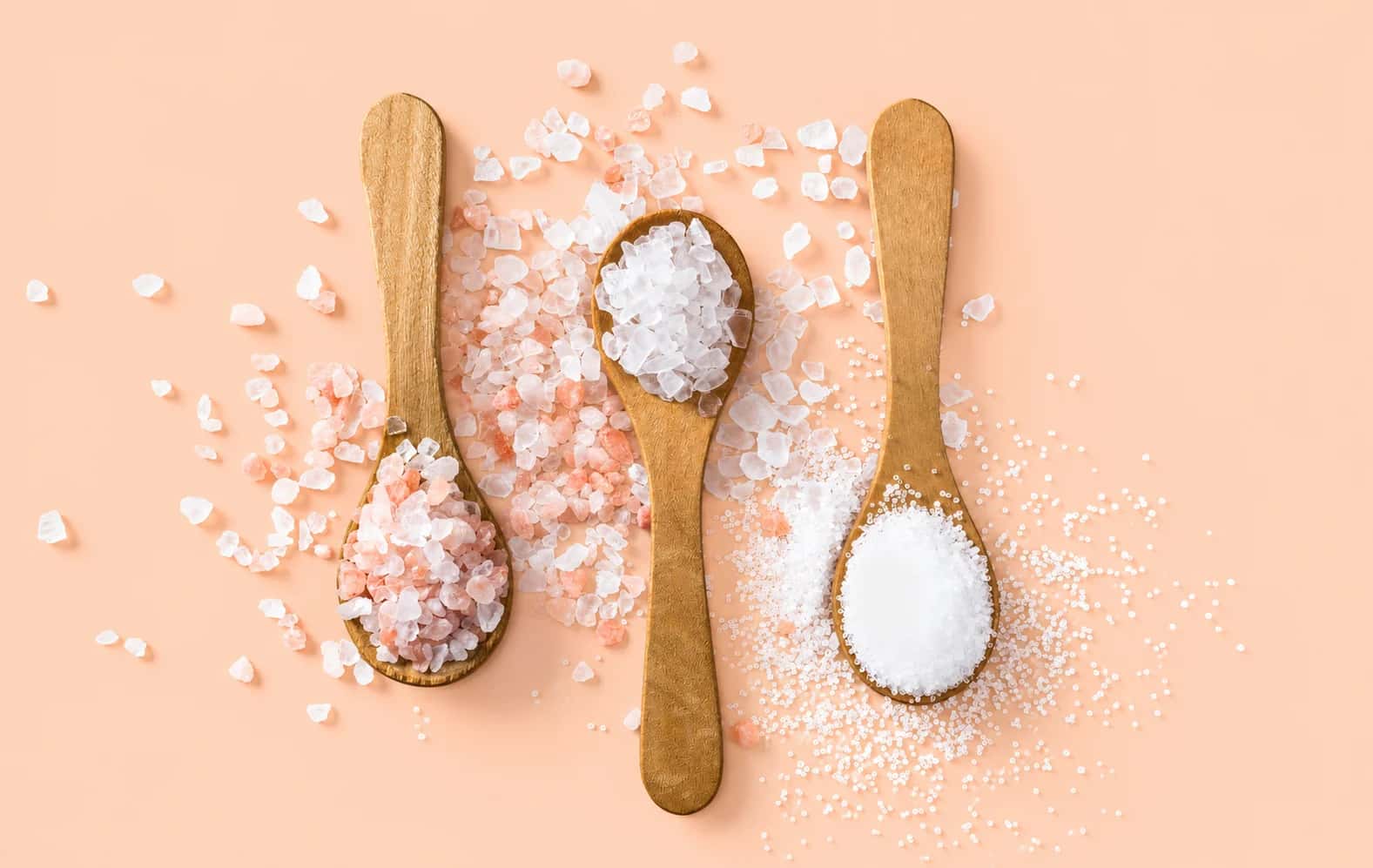
Picture a day that looks unimpeachably healthy on paper. Two slices of whole-grain toast at breakfast, a cup of cottage cheese with a glass of V8 mid-morning, a salad with a drizzle of ranch dressing for lunch, and a frozen chicken-and-vegetable entrée labeled "lean" for dinner. You haven't touched the salt shaker once. You also haven't deep-fried anything, opened a bag of chips, or ordered takeout. By any reasonable read, you're doing everything right.
Now add it up. Bread can run 130 to 230 milligrams of sodium per slice. Cottage cheese can deliver 700 to 900 milligrams in a cup. A glass of V8 Original carries 640 milligrams on its own. The dressing, the cheese in the salad, the seasoning baked into the frozen entrée — each one is contributing several hundred milligrams more. By the time the day ends, that very wholesome-looking plan can quietly exceed the American Heart Association's ideal sodium target, and the bottle of soy sauce on the counter never even came out.
That arithmetic surprises almost everyone, and it points to one of the more frustrating truths about American diets. According to the Centers for Disease Control and Prevention, more than 70 percent of the sodium we eat doesn't come from cooking or the table — it's already inside the food when we buy it.
The two numbers to anchor everything to are simple. The Food and Drug Administration sets the Daily Value for sodium at 2,300 mg per day, which is the figure that appears on every Nutrition Facts label. The average American adult, by contrast, takes in closer to 3,400 mg.
For most adults, the American Heart Association recommends a tighter goal of 1,500 mg per day, particularly anyone managing blood pressure. That's a meaningful gap between what the typical American eats and what either organization recommends, and closing it doesn't require dramatic changes — it requires knowing where the sodium is hiding.
The takeaway isn't that we need to be afraid of sodium. Our bodies need it for fluid balance, nerve transmission, and muscle function. The takeaway is that the salt shaker is a red herring. If you want to know where your sodium is actually going, you have to look at the foods that don't taste salty at all — the everyday staples you reach for without thinking. Here are twelve of the sneakiest, each with the real numbers behind it and a concrete swap that lowers the load without taking the food off your table.