Fact-checked · , including MedlinePlus, Harvard Health Publishing & American Diabetes Association
Credit: Daily Vitality
Key Takeaways
•A "healthy" label doesn't tell you how quickly a food turns into blood sugar — how it's processed, how much you eat, and what you pair it with matter far more.
•Everyday favorites like flavored yogurt, dried fruit, rice cakes, and "100% juice" can raise blood sugar surprisingly fast on their own.
•Leaning toward whole, less-processed options and adding protein, fat, or fiber tends to soften the rise — no deprivation required.
When you picture a blood sugar spike, you probably imagine soda, candy, or a slice of birthday cake. But some of the foods most likely to send your blood sugar climbing are the ones wearing a health halo — the wholesome-looking breakfast, the "guilt-free" snack, the drink that promises to power your workout. A few of them can hit your bloodstream about as fast as a spoonful of plain sugar.
The reassuring part is that once you know what to look for, these foods are easy to spot — and easy to outsmart. Ahead, you'll find 12 surprisingly spiky "health" foods, including a beloved breakfast bowl, a snack-aisle staple, and a piece of fruit almost everyone assumes is a safe bet. Each one comes with a gentle, no-deprivation way to enjoy it, so it's worth lingering on the ones near the end — they tend to be the most surprising of all.
First, a Quick Word on Spikes
What "Spiking Your Blood Sugar" Actually Means
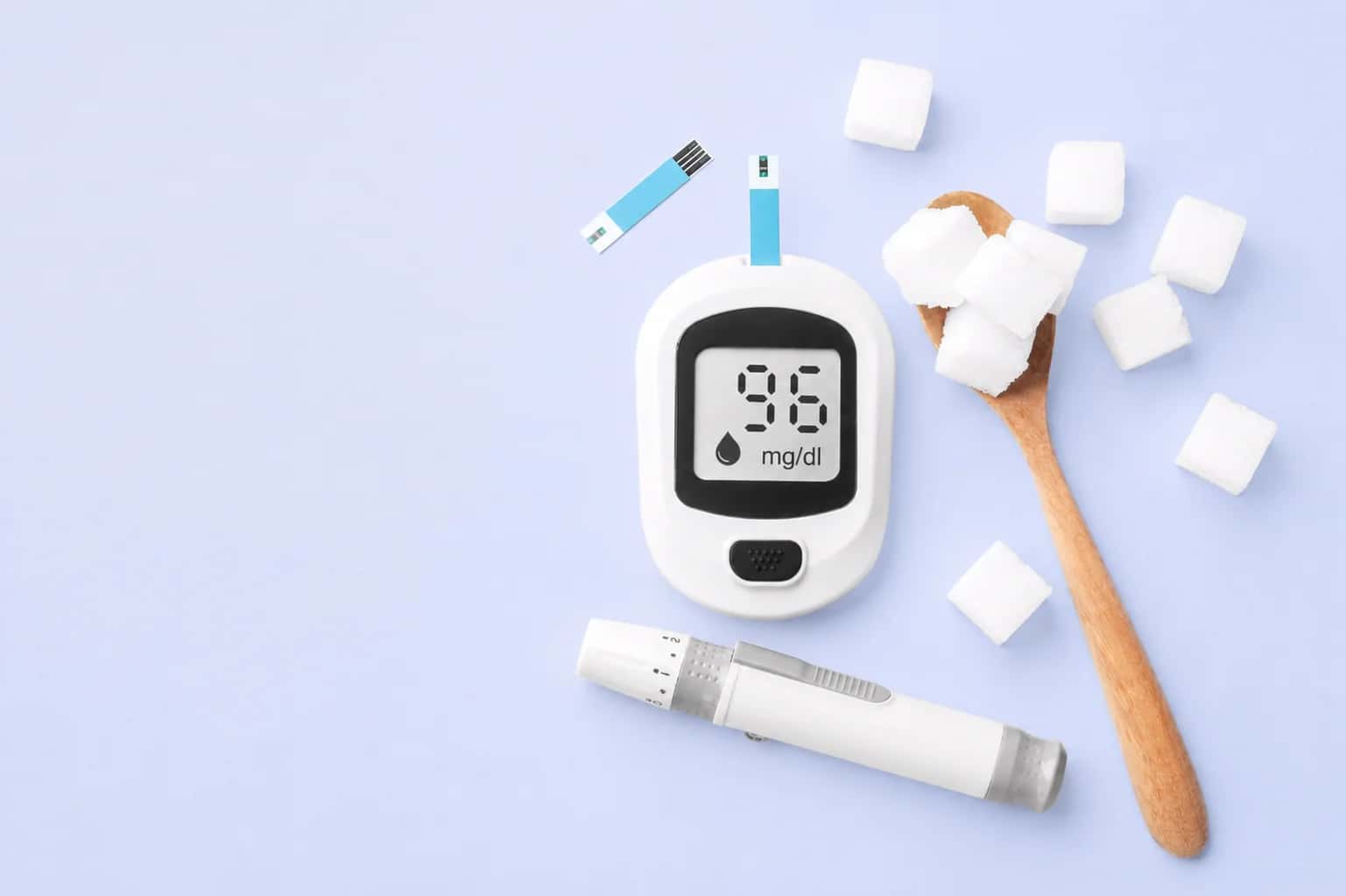
Here's the short version, in plain language. The glycemic index, or GI, is a 0-to-100 scale that ranks carbohydrate foods by how quickly they raise blood glucose compared with pure glucose, which sits at 100. As MedlinePlus explains, foods on the higher end of that scale tend to raise blood sugar quickly, while lower-GI foods raise it more gently. A common rule of thumb puts "high" at 70 and above, "medium" around 56 to 69, and "low" at 55 or under.
There's a second number that matters just as much, and it's where a lot of food myths fall apart. Glycemic load, or GL, accounts for both how fast a food is (its GI) and how much carbohydrate is actually in a normal serving. The team at the Linus Pauling Institute at Oregon State University offers a perfect example: watermelon and a doughnut have a nearly identical GI of about 76, yet a typical serving of watermelon carries a glycemic load of roughly 8, while a doughnut lands closer to 17. Same speed, very different real-world impact — because one is mostly water and the other is mostly concentrated carbohydrate.
Why does any of this matter if you don't have diabetes? Because a fast rise is often followed by a dip, and that dip is what many people feel as an afternoon energy slump, trouble concentrating, or that "I just ate, why am I hungry again?" feeling. Keeping the rise gentle simply helps your energy feel steadier.
Note
The GI and GL numbers in this guide are representative values from published reference tables. Real-world numbers shift with ripeness, brand, how a food is processed, and what you eat alongside it — so think of them as helpful signposts, not exact readings.
1. Flavored Yogurt
Credit: Daily Vitality
The Dessert in a Health-Food Costume
Yogurt has a wonderful reputation, and plain yogurt earns it — protein, calcium, and gut-friendly cultures all in one creamy cup. The trouble starts when "plain" becomes "strawberry-on-the-bottom" or "vanilla light." Many fruit-flavored cups carry as much added sugar per serving as a small dessert, and that sugar arrives with very little to slow it down. Harvard Health, in its overview of the bitter truth about added sugar, points out that most of us already take in far more added sugar than recommended, and sweetened dairy is a quiet contributor.
Low-fat and fat-free versions can be sneakier still, because the flavor lost with the fat is often replaced with extra sugar. One easy upgrade many people enjoy is starting with plain or plain Greek yogurt and adding their own fresh berries or a drizzle of cinnamon. The protein and fat in the yogurt do the gentle work of softening the rise, while you control exactly how much sweetness goes in.
A smoothie feels like the ultimate good decision — fruit, maybe some greens, all in a tidy cup. But two things often turn a smoothie spiky: the base and the size. Many bottled and counter-made smoothies are built on fruit juice rather than whole fruit, which strips away most of the fiber that would normally slow digestion. Then there's the volume; a single large smoothie can pack the fruit of an entire bowl into a drink you finish in two minutes.
The fix here is genuinely delicious. A smoothie built from whole fruit, plus a protein source like plain Greek yogurt or a spoon of nut butter, keeps the fiber and slows everything down. A modest size helps too. The goal isn't to give up smoothies — it's to make one that keeps you full instead of leaving you reaching for a snack an hour later.
3. Dried Fruit
Credit: Daily Vitality
Tiny Pieces, Concentrated Sugar
Dried fruit sits in the snack aisle looking like pure virtue: just fruit, often with nothing added. The catch is in the drying itself. When water leaves the fruit, the natural sugar stays behind and becomes far more concentrated by volume, so a small handful of raisins can deliver the sugar of a much larger serving of fresh grapes. Dates are a clear example — they carry a moderate GI of around 62, but because they're so dense, even a small two-ounce portion lands in the high range for glycemic load, according to the reference values compiled by the Linus Pauling Institute.
None of this makes dried fruit "bad." It's genuinely handy for hikes and busy mornings. A portion-aware approach tends to work well: a small scoop rather than an open bag, and a few nuts alongside so the protein and fat can blunt the rise. Fresh whole fruit is another satisfying option when you want more to chew on for the same sugar.
Granola is one of the great marketing success stories. Oats, seeds, a rugged outdoorsy vibe — what could be healthier? Quite a lot, it turns out, depending on the recipe. The oats and nuts are real positives, but they're frequently held together with honey, syrups, and added sugar, which is what gives granola its irresistible clusters. Many "protein" and granola bars follow the same pattern and land closer to a candy bar than a health food in their sugar content.
The encouraging news is how easy it is to find a gentler version. Scanning the label for added sugar near the top of the ingredient list is a quick tell. Plain oats topped with nuts and a little fresh fruit gives you the same texture and crunch with far less sugar, and lower-sugar bars built around nuts and seeds are increasingly easy to find.
Tip
A simple habit that helps with almost any packaged "health" food: glance at the added-sugar line on the nutrition label and the first three ingredients. If a sweetener shows up early, you've found out why it tastes so good — and why it may spike.
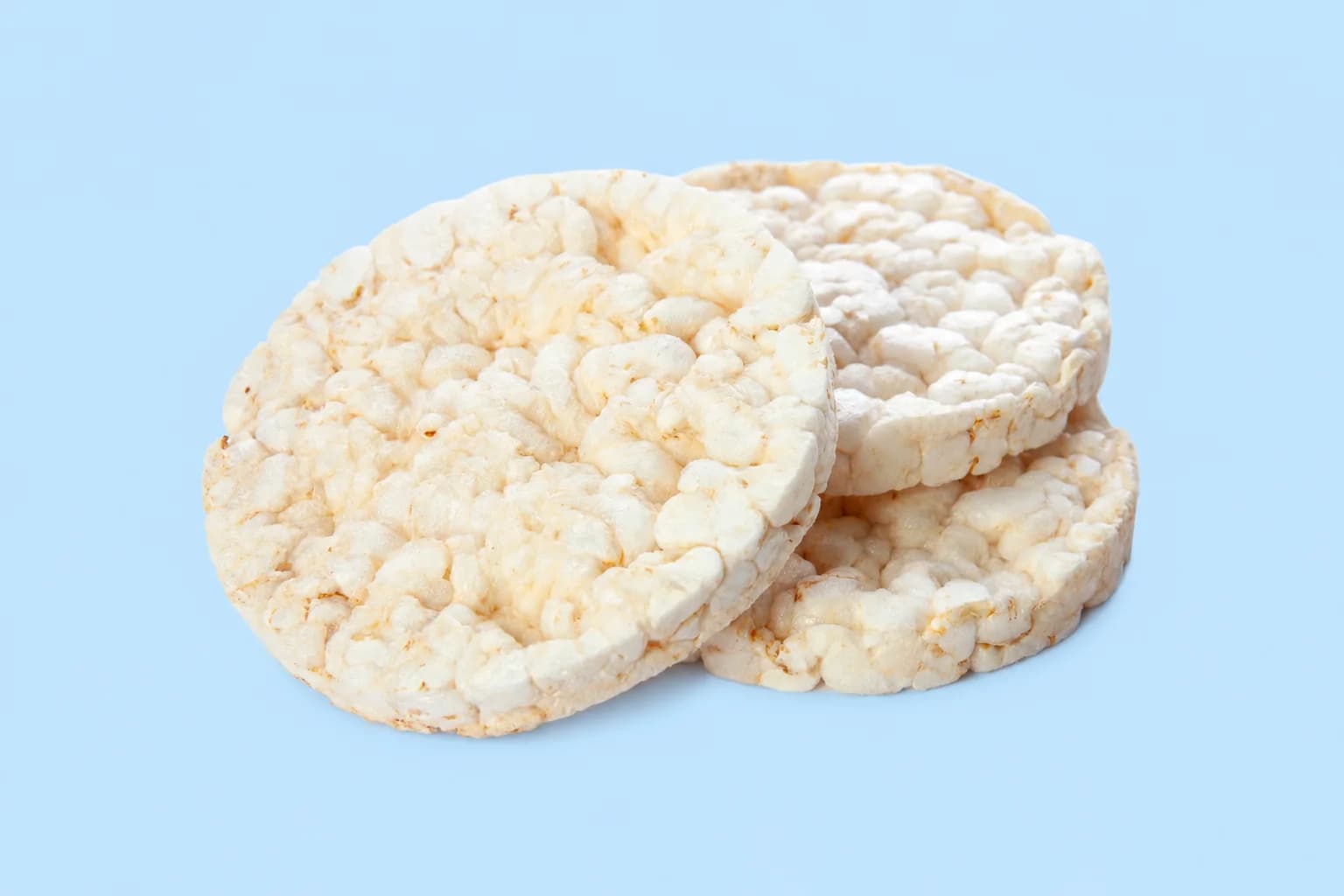
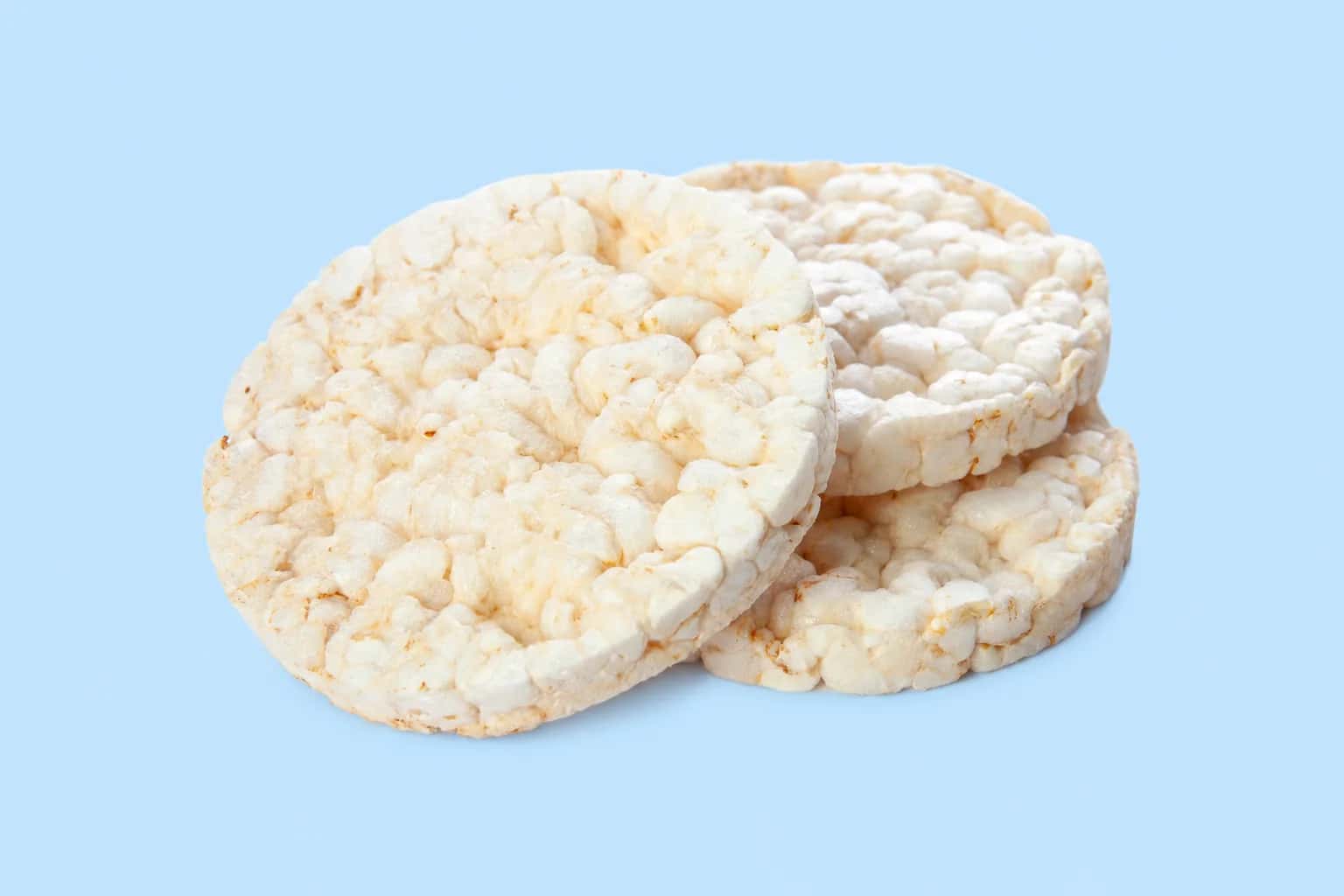
5. Rice Cakes
Credit: Daily Vitality
Light as Air, Quick as Sugar
Rice cakes have been a diet-aisle darling for decades, and it's easy to see why: they're crunchy, low in calories, and feel weightless. But "low calorie" and "low impact on blood sugar" aren't the same thing. Puffed rice cakes are essentially refined starch with very little fiber, fat, or protein to slow things down, which is why they carry a high GI of about 82 in the Linus Pauling Institute reference table — landing them among the quicker-digesting snacks out there.
Eaten alone, a plain rice cake behaves a lot like a fast carb. Eaten with a partner, it becomes something steadier and far more satisfying. Spreading on nut butter, mashed avocado, or cottage cheese adds the fat and protein that help flatten the curve, and turns a forgettable snack into something that actually holds you over.
6. Instant Flavored Oatmeal
Credit: Daily Vitality
Not All Oats Behave the Same
Oats are a deserved breakfast hero, so this one surprises people. The issue isn't oats themselves — it's how processed they are. The finer and more pre-cooked an oat is, the faster your body can break it down. As MedlinePlus notes, processing a grain generally speeds up digestion and nudges its glycemic index higher, which is why quick and instant oats tend to be spikier than steel-cut or large-flake rolled oats. Then come the flavored single-serve packets, which often add a meaningful dose of sugar on top.
A gentler bowl is still a quick bowl. Many people reach for steel-cut or rolled oats and sweeten them with fresh or mashed fruit, then add a spoon of nuts, seeds, or nut butter for staying power. If the convenience of a packet is the draw, the plain unsweetened versions skip the added sugar while keeping the speed.
7. "Multigrain" and Brown-Looking Bread
Credit: Daily Vitality
Why Color Isn't the Whole Story
Bread is where labels get especially clever. A loaf can be tinted a hearty brown, stamped with "multigrain" or "made with wheat," and still be built mostly from refined flour. That distinction matters for blood sugar: white-wheat bread made from refined flour carries a high GI of around 71, while a dense, genuinely whole-grain loaf like pumpernickel comes in far lower, near 46, in the Linus Pauling Institute values. Two breads that look almost identical can affect you quite differently.
The reliable signal isn't the color or the front-of-package wording — it's the ingredient list. Loaves that name "100% whole wheat" or a whole grain as the first ingredient, especially dense, seedy, or sourdough-style breads, tend to deliver a gentler rise along with more fiber to keep you full.
8. 100% Fruit Juice
Credit: Daily Vitality
Real Fruit, Without the Brakes
"100% juice, no added sugar" sounds like the responsible choice on the shelf, and the fruit in it is real. The problem is what gets left behind during juicing: the fiber. Harvard Health, in its look at whether fresh juice drinks are as healthy as they seem, notes that juices generally contain much less fiber than whole produce and tend toward a higher glycemic index, so they can raise blood sugar faster than the fruit they came from. A glass also adds up quickly — it can take several oranges to fill it, far more than you'd sit down and eat.
Whole fruit is the easy, satisfying swap, delivering the same sweetness with the fiber intact and plenty to chew on. When juice is the treat you want, a small glass enjoyed alongside a meal — rather than on its own — keeps things gentler.
9. Sushi and White Rice
Credit: Daily Vitality
The "Light" Meal That's Mostly Rice
Sushi feels virtuous, and in many ways it is — lean fish, seaweed, vegetables. But a sushi roll is, by volume, mostly white rice, and that rice is typically seasoned with sugar to get its glossy, sticky texture. Boiled white rice carries a GI of around 66 and, because a serving packs in a lot of carbohydrate, a notably high glycemic load near 35 per cup in the Linus Pauling Institute table. Order a few rolls and the rice adds up fast, even though the meal feels light.
There are plenty of ways to enjoy sushi with a gentler rise. Brown-rice rolls bring more fiber, sashimi skips the rice entirely, and adding a protein- and fiber-rich side like edamame, along with the vegetables and miso, helps round out the meal so the rice isn't doing all the work.
10. Breakfast Cereal
Credit: Shutterstock
Crispy, Convenient, and Quick to Digest
Cereal is the original convenience breakfast, and the box usually tells a healthy-sounding story — fortified, "part of a balanced breakfast," sometimes "whole grain." But many flaked, refined-grain cereals are processed in a way that makes them digest very quickly. Cornflakes, for instance, sit near the top of the scale with a GI of about 79 and a high glycemic load of roughly 20 per bowl in the Linus Pauling Institute reference values — and that's before any added sugar from frostings or clusters.
A more steadying bowl is well within reach. Minimally processed, higher-fiber cereals — think bran-based or genuine whole-grain options — tend to rise more gently, and a topping of milk, plain yogurt, nuts, or seeds adds protein and fat to slow things further. Portion awareness helps too, since cereal is famously easy to over-pour.
11. Watermelon and Tropical Fruit
Credit: Daily Vitality
The Scary Number That Isn't
Here's the myth-buster worth the wait. You may have seen watermelon flagged as a "high-GI food," and that's technically true — its GI of about 76 is right up there with a doughnut. But this is exactly where glycemic load rescues a food's reputation. Because watermelon is mostly water, a normal serving contains relatively little actual carbohydrate, giving it a low glycemic load of roughly 8 in the Linus Pauling Institute data. Pineapple tells a similar story, with a moderate GI and a modest load in a typical serving.
The takeaway is freeing rather than restrictive: a fast GI doesn't automatically mean a big spike once realistic portions enter the picture. Enjoying these fruits in normal amounts keeps the load gentle, and pairing a larger serving with a little protein or fat — a few nuts, a dollop of yogurt — smooths things out if you're having a generous bowl.
Important
This is the single most useful idea in the whole list: glycemic index tells you how fast, but glycemic load tells you how much it actually matters in a real serving. When the two disagree, the load is usually the better guide to your plate.
12. Sports Drinks and Vitamin Waters
Credit: Daily Vitality
Marketed for Wellness, Built Like Soda
Sports and "enhanced" vitamin drinks are wrapped in the language of health — hydration, electrolytes, recovery, an active life. But for most everyday situations, a standard sports drink is essentially sugar water with minerals added. These drinks are formulated with rapidly absorbed sugars and no fiber, fat, or protein to slow them down, so they rank high on the glycemic index and can raise blood sugar quickly when you're simply sitting at your desk rather than midway through a hard workout.
There's a clear time and place for them: genuinely long or intense exercise, when fast-absorbing fuel and electrolytes earn their keep. For day-to-day hydration, plain water is the steady, no-spike choice, and if plain water feels boring, infusing it with citrus, cucumber, or berries adds flavor without the sugar rush.
Note
Repeated, frequent spikes from refined carbs and sugary drinks aren't just an energy-dip issue. Public health resources such as the American Heart Association describe how a steady pattern of choices supports long-term metabolic health, which is all the more reason small, gentle swaps are worth making.
Putting It All Together
Notice the thread running through all twelve foods: not one of them is forbidden, and most have real nutritional value. The issue is simply that a wholesome-sounding label can hide how quickly a food turns into blood sugar. Once you can see past the health halo, two patterns do most of the heavy lifting.
The first is to lean toward whole, minimally processed carbohydrates — whole fruit over juice, dense whole-grain bread over refined, steel-cut oats over instant. The second, echoed by the American Diabetes Association, is to give carbohydrates a partner: fiber, fat, or protein each slow digestion so glucose arrives more gradually. A handful of nuts with your dried fruit, nut butter on a rice cake, or Greek yogurt in your smoothie can quietly change how a snack treats you.
None of this asks you to give up the foods you love or to chase perfection. It's really just a little fluency — reading a label with fresh eyes, right-sizing a portion, adding a thoughtful pairing. Small, steady choices like these add up to more even energy through the day, and that's a pretty satisfying return on a few simple swaps.
A Quick-Scan Cheat Sheet
If you only skim one thing, make it this. Here's the whole list at a glance, with a gentler way to enjoy each food.
#
Food
Why it's sneaky
A gentler option
1
Flavored yogurt
Protein halo hides dessert-level added sugar
Plain yogurt with your own fresh fruit
2
Store-bought smoothies
Juice base + huge portions, little fiber
Whole-fruit blend with a protein source
3
Dried fruit
Water removed, sugar concentrated
A small portion, paired with nuts
4
Granola & bars
"Wholesome" oats bound with syrups
Plain oats and nuts, or a lower-sugar bar
5
Rice cakes
Nearly pure puffed starch
Topped with nut butter or avocado
6
Instant flavored oatmeal
Quick-cook + added sugar
Steel-cut or rolled oats, fruit-sweetened
7
"Multigrain" bread
Color and buzzwords, refined flour
True 100% whole-grain or pumpernickel
8
100% fruit juice
Real fruit, but no fiber
The whole fruit instead
9
Sushi & white rice
"Light," but rice-heavy and often sweetened
Brown-rice rolls, sashimi, edamame on the side
10
Breakfast cereal
Refined flakes near the top of the scale
High-fiber options with milk or yogurt
11
Watermelon & tropical fruit
High GI sounds scary
Normal portions — the load stays low
12
Sports & vitamin drinks
"Hydration" framing, fast sugar
Water for everyday; save these for hard workouts
Important
Where this stops being food talk. Steadier energy is one thing; a persistent pattern is another. Frequent thirst, needing to pass urine through the night, blurred vision, or unexplained weight loss are worth a blood glucose test rather than another breakfast swap, because they can point to diabetes that is already established. And if you take insulin or a sulfonylurea, cutting carbohydrate noticeably can push your levels too low — that is a change to make with the clinician who set your doses, not alongside it.
About the Author
Angela Nightingale
Senior Editor
Angela Nightingale is a Senior Editor at Daily Vitality with over two decades of experience in digital publishing and health and wellness content. She specializes in turning complex, often-confusing health topics into clear, calm, and practical guidance that respects the reader's intelligence. Her work focuses on helping people feel informed and confident — never overwhelmed or alarmed — as they make everyday decisions about how they eat, move, rest, and age.
It refers to a quick, steep rise in blood glucose after eating, usually from foods that are digested rapidly. A fast rise is often followed by a dip, which many people experience as an energy slump or renewed hunger. Choosing gentler foods and pairings helps keep the rise smoother.
Glycemic index (GI) measures how quickly a carbohydrate food raises blood sugar on a 0-to-100 scale. Glycemic load (GL) goes a step further by factoring in how much carbohydrate is actually in a normal serving, which often gives a more realistic picture of a food's impact.
Whole fruit is generally a gentle choice because its fiber slows digestion, and its water content keeps the glycemic load modest in normal portions. Watermelon is a good example: it has a high GI but a low glycemic load per serving. Juice and dried fruit are the forms that concentrate sugar and tend to act faster.
Fiber, fat, and protein each slow how quickly food is digested and absorbed, so glucose enters the bloodstream more gradually. That's why adding nuts to dried fruit or nut butter to a rice cake softens the rise.
Plain rice cakes are mostly refined starch with little to slow digestion, so they rank high on the glycemic index and can act much like a fast carb on their own. Topping them with nut butter, avocado, or cottage cheese makes them far more steadying.
It's not unhealthy so much as deceptively sweet — many fruit-flavored cups carry dessert-level added sugar, and low-fat versions often add even more. Plain yogurt with your own fresh fruit keeps the protein benefits while you control the sweetness.
It does contain real fruit and nutrients, but juicing removes most of the fiber, so it can raise blood sugar faster than whole fruit and adds up quickly in a glass. Eating the whole fruit, or keeping juice to a small serving with a meal, is gentler.
Skip the color and the front-of-package wording and read the ingredient list. Look for "100% whole wheat" or a whole grain listed first; dense, seedy, or sourdough-style loaves are often gentler choices than soft, light breads.
They have a real role during long or intense exercise, when fast-absorbing fuel and electrolytes are useful. For everyday hydration, though, they behave a lot like a sweetened beverage, so plain water is the steadier pick.
No. While managing spikes is especially important for people with diabetes or prediabetes, anyone can benefit from steadier energy and fewer post-meal crashes. The same habits — whole foods, sensible portions, and smart pairings — help everyone.
Not at all. Every food on this list can fit into a balanced way of eating. The aim is awareness, not avoidance — small adjustments to portion, form, and pairing let you keep your favorites while smoothing out their effect.
Sources
American Diabetes Association. How Does Food Impact Blood Glucose? Diabetes Food Hub. Retrieved from diabetesfoodhub.org
American Diabetes Association. Food and Blood Glucose (Monitoring). Retrieved from diabetes.org
American Heart Association. Prediabetes and Digestion. Retrieved from heart.org
Show 11 more sourcesHide additional sources
British Dietetic Association. Glycaemic Index (Food Fact Sheet). Retrieved from bda.uk.com
Diabetes UK. Glycaemic Index and Diabetes. Retrieved from diabetes.org.uk
Harvard Health Publishing. The Bitter Truth About Added Sugar. Retrieved from health.harvard.edu
Harvard Health Publishing. Are Fresh Juice Drinks as Healthy as They Seem? Retrieved from health.harvard.edu
January.ai. Glycemic Index of Gatorade. Retrieved from january.ai
Linus Pauling Institute, Oregon State University. Glycemic Index and Glycemic Load. Retrieved from lpi.oregonstate.edu
MedlinePlus, U.S. National Library of Medicine. Glycemic Index and Diabetes. Retrieved from medlineplus.gov
MedlinePlus, U.S. National Library of Medicine. Blood Glucose. Retrieved from medlineplus.gov
AARP. Easy Ways to Lower Blood Sugar. Retrieved from aarp.org
Yahoo Health. Endocrinologist Reveals How Fruit Juice in Smoothies Can Spike Blood Sugar Levels. Retrieved from health.yahoo.com
Yahoo Health. 14 Healthy Foods That Can Actually Spike Your Blood Sugar. Retrieved from health.yahoo.com