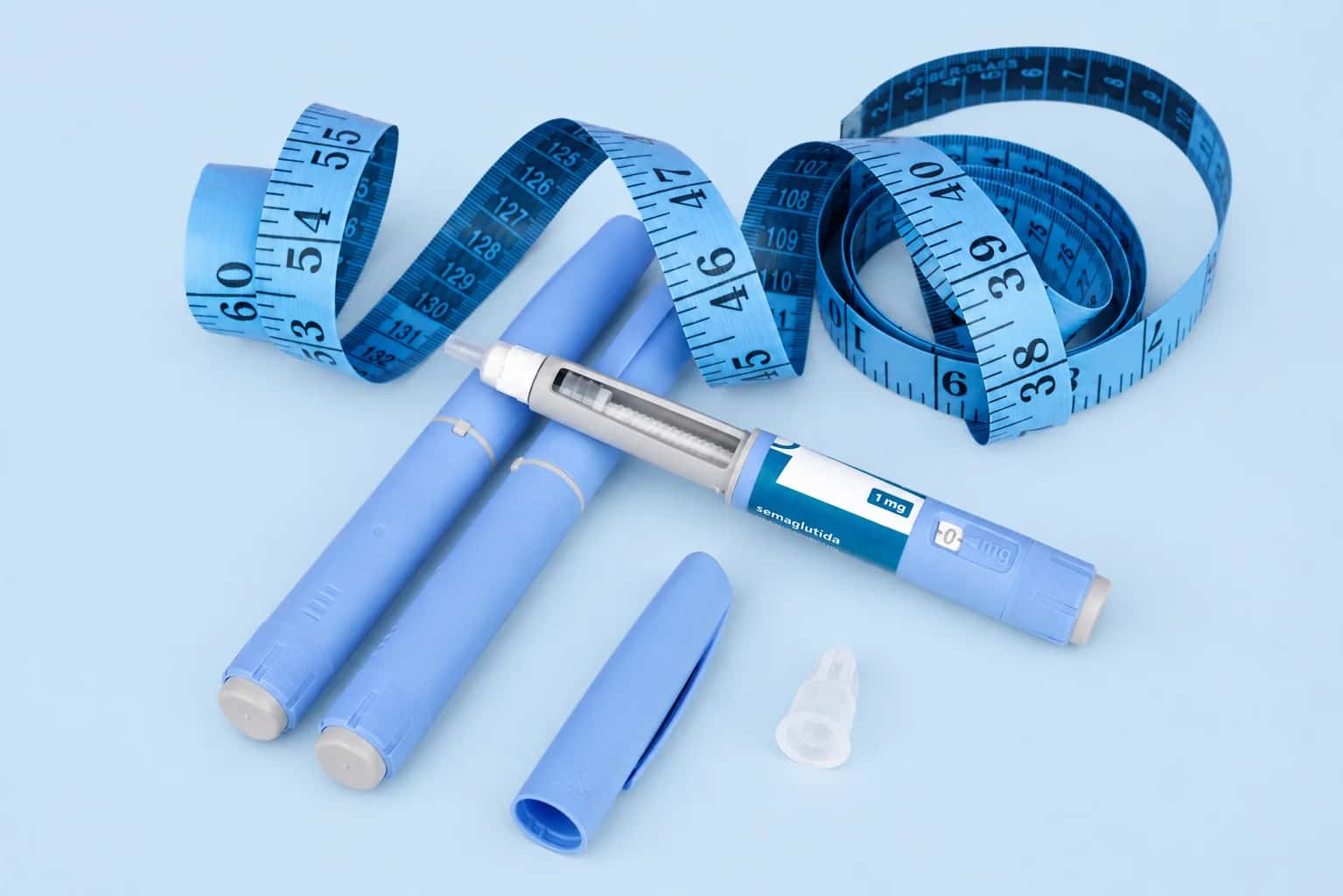
If you are taking a GLP-1 medication, you have probably noticed that your relationship with food has changed almost overnight. A few bites into a meal you once finished easily, and you feel genuinely full. Half a plate can feel like a feast. That is the medication doing exactly what it was designed to do, and it can be a relief after years of feeling hungry all the time.
But it also changes the math of eating in a way most food advice ignores. Semaglutide and tirzepatide, the medicines behind Ozempic, Wegovy, Mounjaro, and Zepbound, slow how quickly your stomach empties and turn down appetite, which is why early fullness, nausea, and constipation are so common in the first weeks. When you can only eat a little, the question is no longer "what is healthy?" It becomes something more specific and more useful: what deserves the limited space you have?
This is where two quiet risks come in. When weight comes off quickly, a meaningful share of it can come from muscle rather than fat unless you are deliberate about protein and movement. And because you are simply eating less overall, it is easy to fall short on fiber and other nutrients, which can make constipation worse. Neither of these is a reason to worry about the medication. They are simply reasons to be a little more intentional with each plate, and this is a shift dietitians increasingly emphasize as GLP-1s move well beyond weight loss.
So we built this list around a single idea: value per bite. Each food below earns its place because it delivers a strong combination of protein, fiber, and staying power in a small, realistic serving. The next section explains exactly how we weighed those factors, and then we get into the foods themselves, with a practical note on how to actually eat each one when your appetite is low.