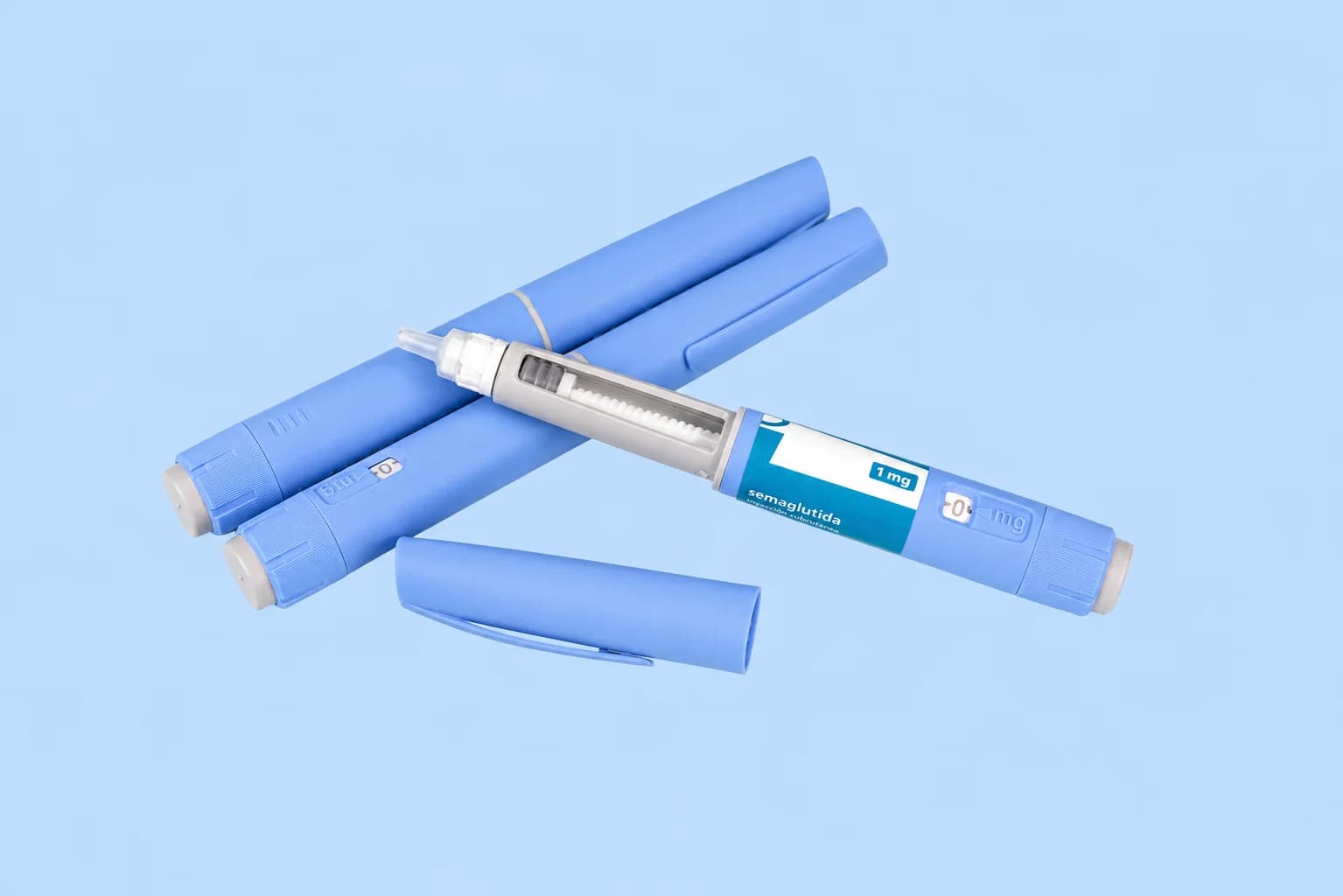
The honest coda is that adoption has outrun the evidence in a few important places, and a calm read of the trend means holding those open questions alongside the enthusiasm. One is body composition. Rapid appetite suppression can make it hard to eat enough protein, and a 2026 practical framework in the medical literature points to roughly 1.2 to 1.6 grams of protein per kilogram of body weight per day, paired with resistance training, to help preserve lean mass during active weight loss.
That is one reason clinicians increasingly connect these drugs with attention to nutrition, including foods chosen for protein, fiber, and satiety. Building and holding onto muscle tends to go hand in hand with that approach.
The larger gap is time. Long-term and lifelong-use data specifically in young adults remains thin, and the researchers behind the new study said as much, calling for evidence-based guidance on when these medications should be used relative to surgery in younger patients. Common side effects tend to be gastrointestinal, such as nausea and constipation, and much about decades-long use in someone who starts at 24 is still being learned. That uncertainty is not a reason for alarm, but it is a reason for context. The trend is real, the tools are powerful, and the map for using them well in this age group is still being drawn.
This article is for general information and is not medical advice. GLP-1 medications are prescription drugs whose benefits and risks vary from person to person. Decisions about starting, stopping, or changing any medication are best made with a licensed healthcare provider.