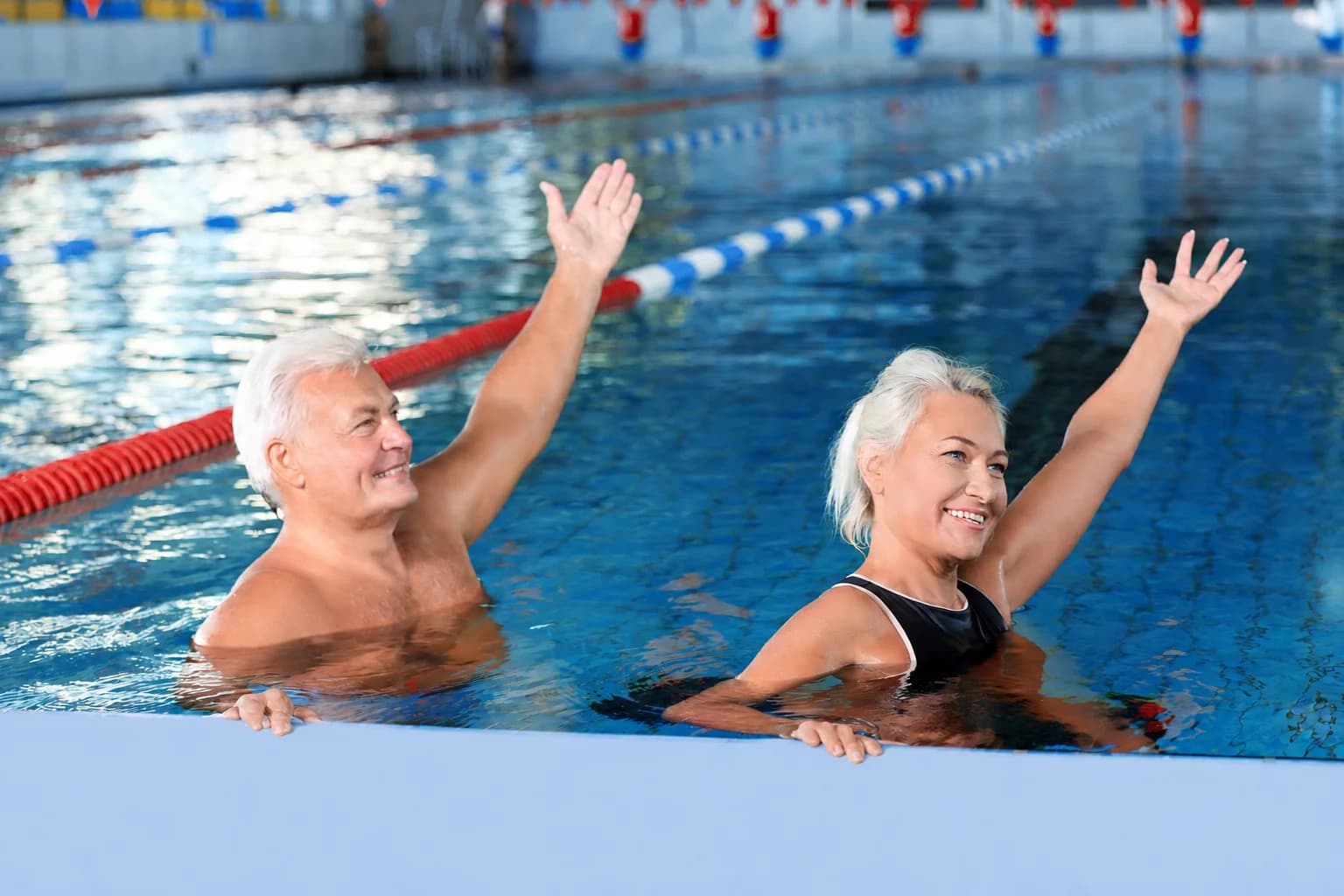
The study at the center of this conversation was a single-blind randomized clinical trial published in JAMA Network Open in 2022, carried out by researchers at Shanghai University of Sport. Randomized trials matter here because they offer stronger, more reliable evidence than personal stories or one-off observations — participants are assigned to treatments by chance, which helps level the playing field between groups.
The researchers enrolled 113 adults between the ages of 18 and 65, all living with chronic low back pain, and split them roughly in half: 56 people did therapeutic aquatic exercise, and 57 did physical therapy modalities. Both groups followed the same schedule — 60-minute sessions, twice a week, for three months — so neither side got more time or attention than the other. The main thing being measured was disability, tracked with a well-established tool called the Roland-Morris Disability Questionnaire, alongside pain intensity, quality of life, and sleep quality.
By the end, the water group came out ahead. Researchers reported that people in the aquatic exercise group improved more than the physical therapy group across the board — disability, pain, quality of life, sleep quality, and even mental state. Just as importantly, those benefits were not fleeting. They showed up after the three-month program and were still measurable at the six-month and twelve-month check-ins, which is meaningful in a condition where short-lived relief is common.
To put the difference in plainer terms, Harvard Health's summary of the trial noted that after 12 weeks, roughly half of the pool-therapy group improved by about two to five points on pain measures, compared with 21% or fewer in the physical therapy group.