The research team, based at Edith Cowan University in Australia, looked at 638 participants from the long-running Raine Study, all assessed around age 22. Each young adult filled out detailed diet questionnaires and had clinical measures taken, including blood pressure, waist circumference, cholesterol, triglycerides, and blood sugar. Those five markers are the familiar warning lights of metabolic syndrome, a cluster of conditions that raises the odds of heart disease and diabetes down the road. About one in five participants landed in a higher-risk group, meaning they carried two or more of those red flags.
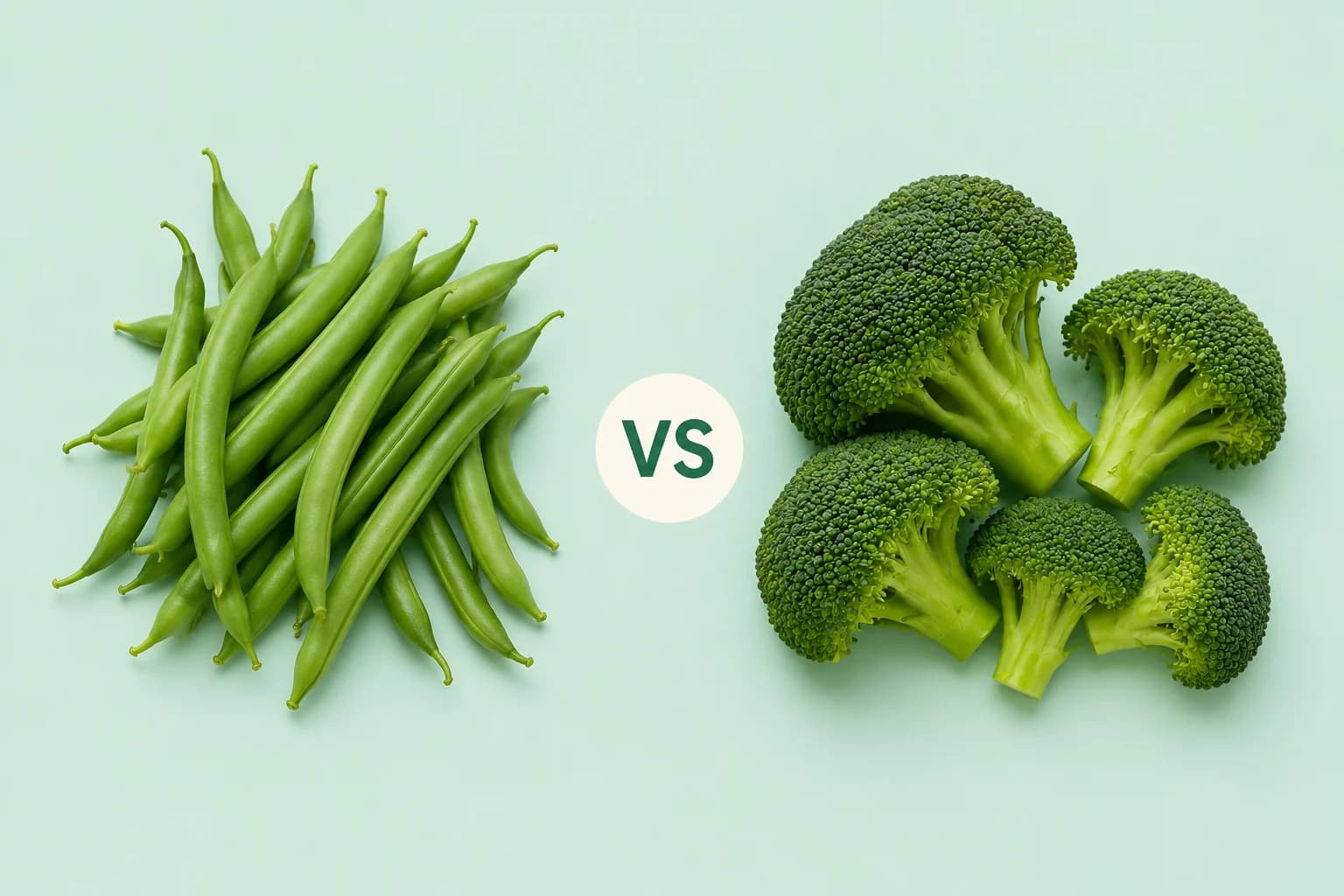
When the researchers sorted vegetables into groups — allium, cruciferous, green leafy, legumes, and the yellow-orange-red family — a striking pattern emerged, and it split along sex lines. Among the men, each additional daily serving of legumes of roughly 75 grams was associated with about 72 percent lower odds of being in the high-risk group, even after accounting for income, education, smoking, alcohol, and other dietary factors. Among the women, each extra daily serving of cruciferous vegetables was tied to roughly an 85 percent reduction in those same odds. Interestingly, women in the lower-risk group also ate more green leafy vegetables, but that link faded once the researchers adjusted for other factors — a small detail that speaks to how carefully the analysis was done.
The lead researcher summed it up in plain terms. According to a summary of the findings, Dr. Neal McNamara said, "We saw very clear sex-based differences. Beans for blokes and broccoli for women stood out as the real winners." It is a quotable line, and it captures the study's spirit — but it comes wrapped in some important fine print.