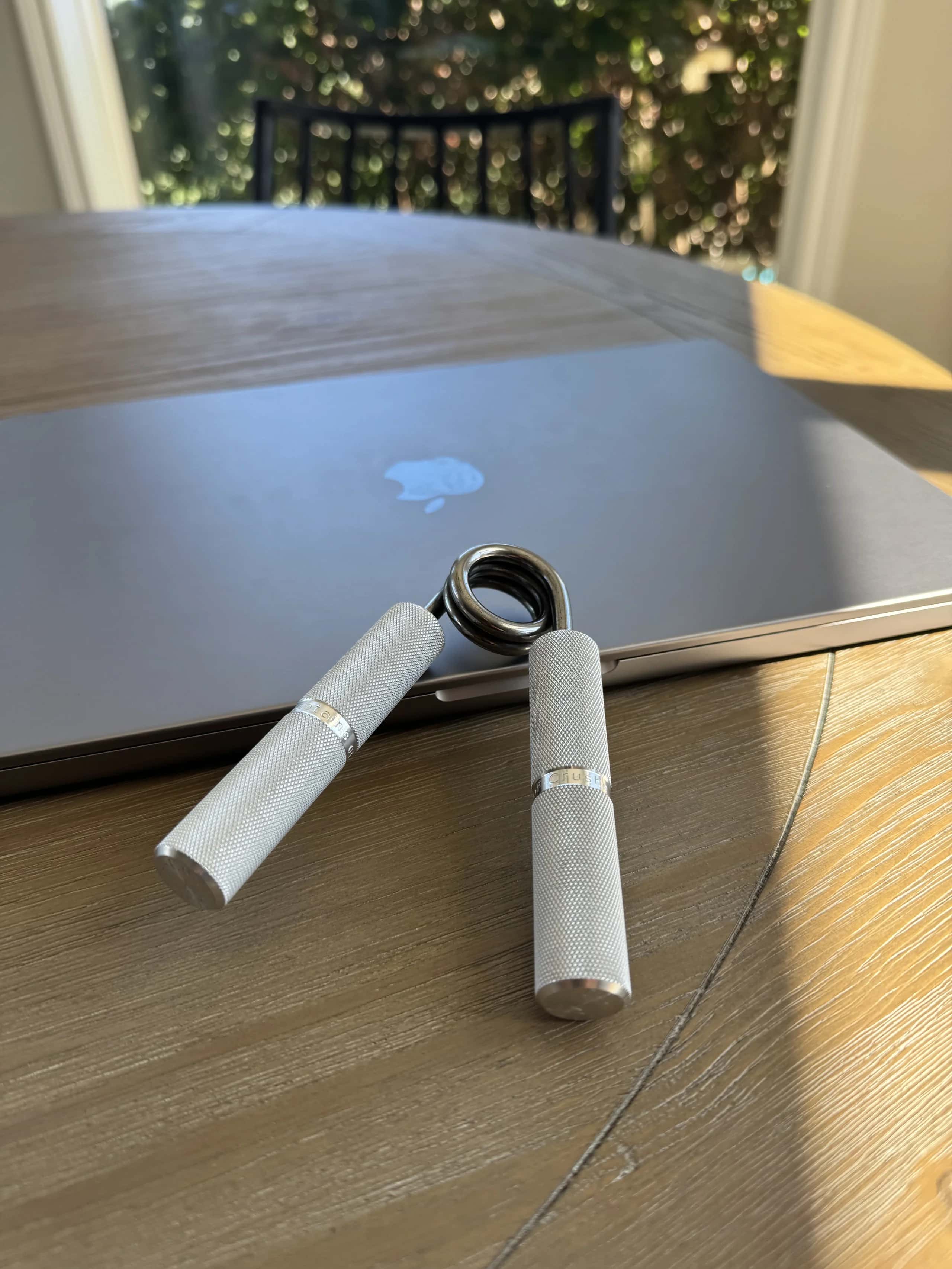
There's a quiet moment most people don't think twice about. A jar lid that won't budge. A grocery bag handle digging into the fingers a little harder than it used to. A suitcase that feels heavier than its weight suggests. Small frustrations, usually shrugged off — but researchers have been paying close attention to those moments for years, because the strength of a person's grip turns out to be one of the most informative health signals a body can offer.
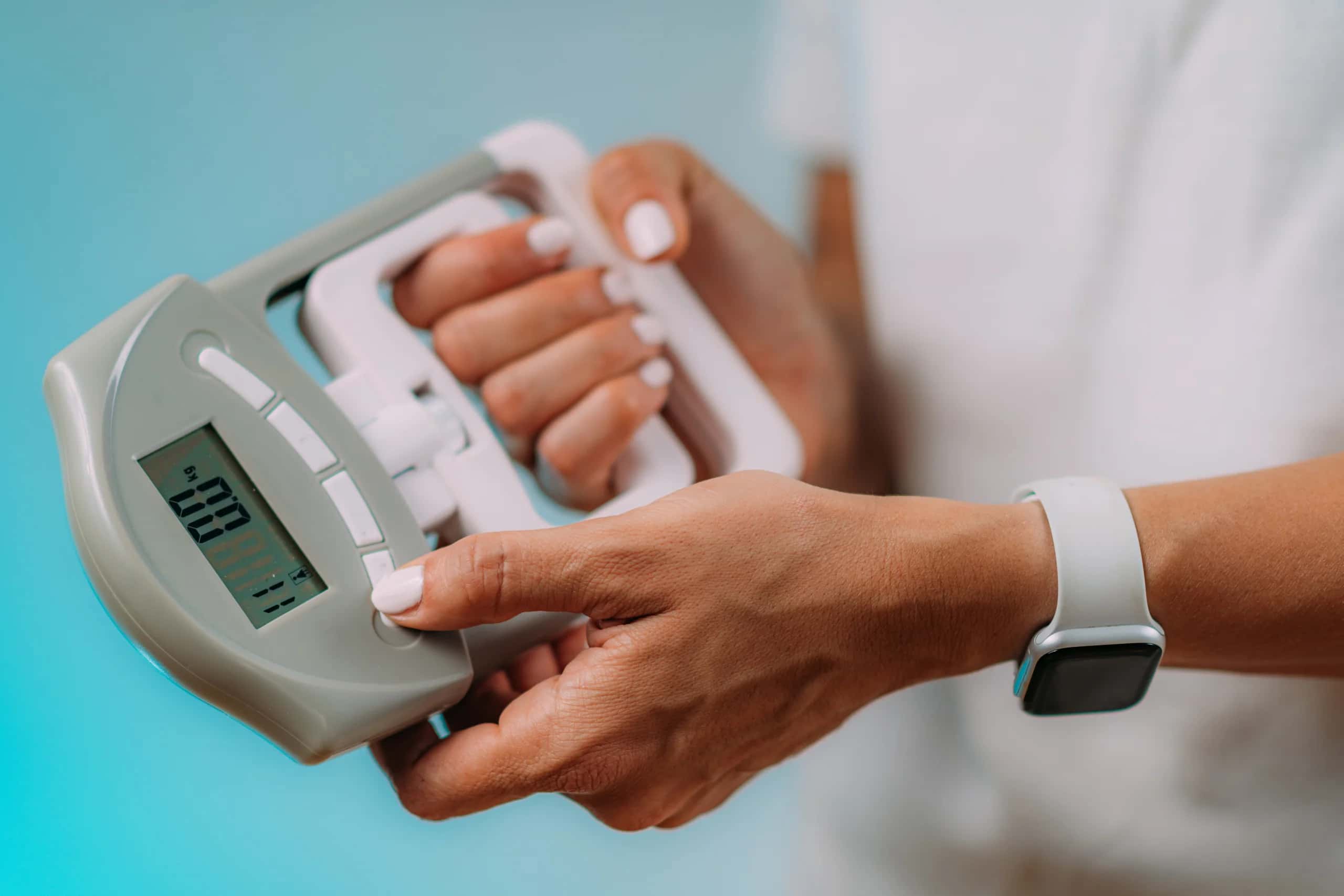
The reason is structural. A grip isn't just hand strength. It's a window into the entire system — muscles, nerves, joints, circulation, even the brain — and how well they're working in concert. That's why a single squeeze of a handheld device called a dynamometer has been used in research, rehabilitation, and geriatric care for decades. It takes about 30 seconds, costs almost nothing, and consistently lines up with outcomes that matter, from cardiovascular health to cognitive function.
This piece walks through ten ways grip strength tracks with everyday wellness — from heart and brain to bones, blood sugar, sleep, mood, and the simple ability to carry your own groceries up a flight of stairs. The framing matters: grip strength is a signal, not a diagnosis. A weak grip doesn't mean anything is wrong, and a strong grip doesn't guarantee good health. But the patterns researchers have found across hundreds of thousands of people are striking enough to be worth understanding — and worth doing something about, since grip strength happens to be one of the more responsive markers in the body.