There is a particular moment that tends to start the conversation. A jar that won't open. A grocery bag that suddenly feels heavier than it used to. A grandchild's hand slipping out of yours a beat sooner than it should. Most people brush these off, but in the world of healthy aging research, hand strength has quietly become one of the most studied signals on the body.
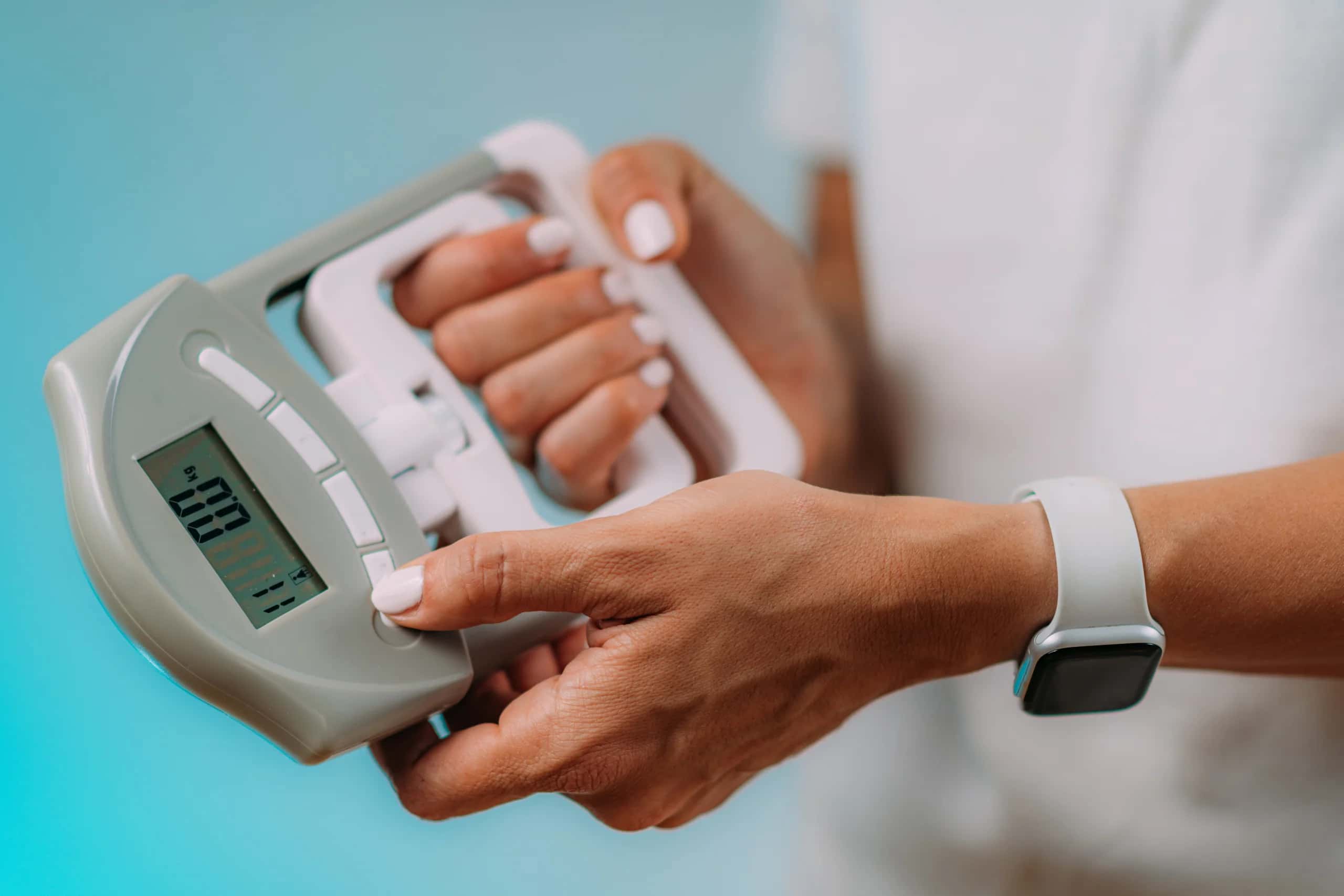
That is partly because it is so easy to measure. A handheld dynamometer, a five-second squeeze, and clinicians have a number that turns out to predict an extraordinary range of outcomes — from how someone recovers after surgery to how independent they remain in their seventies and eighties. The Prospective Urban Rural Epidemiology study, published in The Lancet, followed nearly 140,000 adults across 17 countries and found that grip strength tracked with mortality risk more closely than systolic blood pressure did.
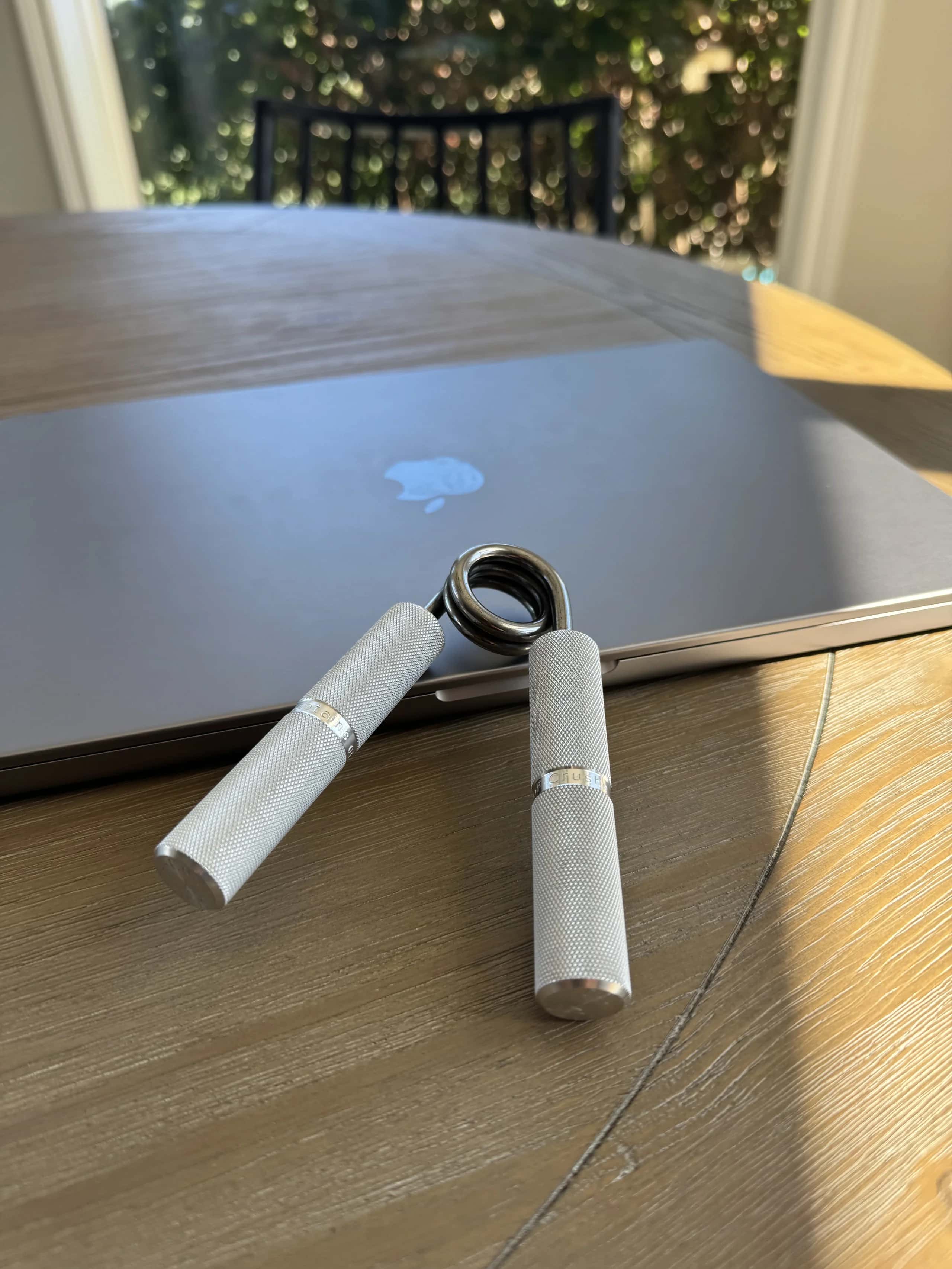
That is a striking finding, and it has put a small piece of equipment — the humble grip strength trainer — back in the spotlight. These are the spring-loaded, putty-based, or adjustable squeeze tools you can hold in one hand. They cost less than a single training session at most gyms, fit in a kitchen drawer, and let you train the kind of strength that the research keeps asking about.
Used thoughtfully, a grip trainer is not a magic device, and it is not a substitute for broader physical activity. It is something quieter and more interesting: a low-friction way to engage with one of the most generalizable markers of healthy aging that exists. Below are nine of the ways research and clinical practice connect grip work to strength, mobility, and aging well — along with what the evidence actually supports and where it gets more cautious.