Fat Mass Versus Everything Else
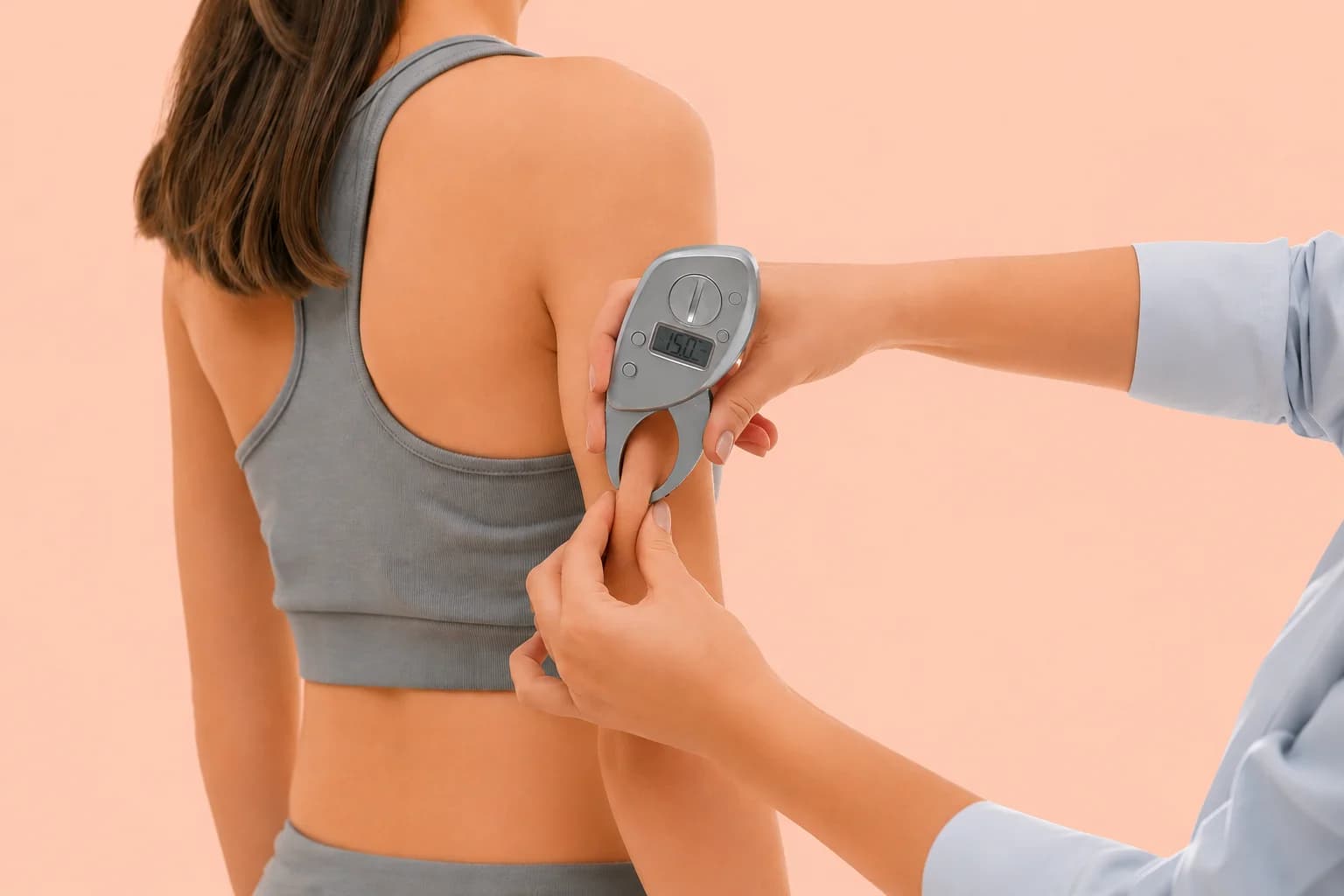
Your body is made of two broad categories: fat mass and fat-free mass. Fat mass is exactly what it sounds like, the fat stored throughout your body. Fat-free mass is everything else, including your muscles, bones, organs, and the water in your tissues. Body fat percentage is simply the share of your total weight that comes from fat, according to research published in Nutrition in Clinical Practice. If you weigh 180 pounds and 36 of those pounds are fat, your body fat percentage is 20 percent.
What's worth holding onto here is that some body fat is not just normal, it's necessary. A baseline amount, often called essential fat, supports your hormones, protects your organs, and keeps basic systems running. The goal of understanding your number is never to drive it toward zero. It's to understand where you sit on a spectrum that has a healthy middle and meaningful limits on both ends.
Why It Tells a Different Story Than the Scale or BMI
Most of us are used to two quick measures: the number on the scale and body mass index, or BMI. BMI is calculated from your height and weight, and it's widely used to sort people into categories like underweight, normal weight, overweight, and obesity. It's convenient, and at a population level it's useful. But as the National Heart, Lung, and Blood Institute points out, BMI doesn't distinguish between fat and muscle.
That distinction matters more than it might seem. Two people can share the exact same BMI while carrying very different amounts of fat, because one has more muscle and the other has more fat. A strong, active person can land in the "overweight" BMI range purely because muscle is dense and heavy. Body fat percentage cuts past that confusion by measuring the thing you're usually curious about in the first place. It doesn't replace BMI or your weight, but it adds a layer those numbers can't see.