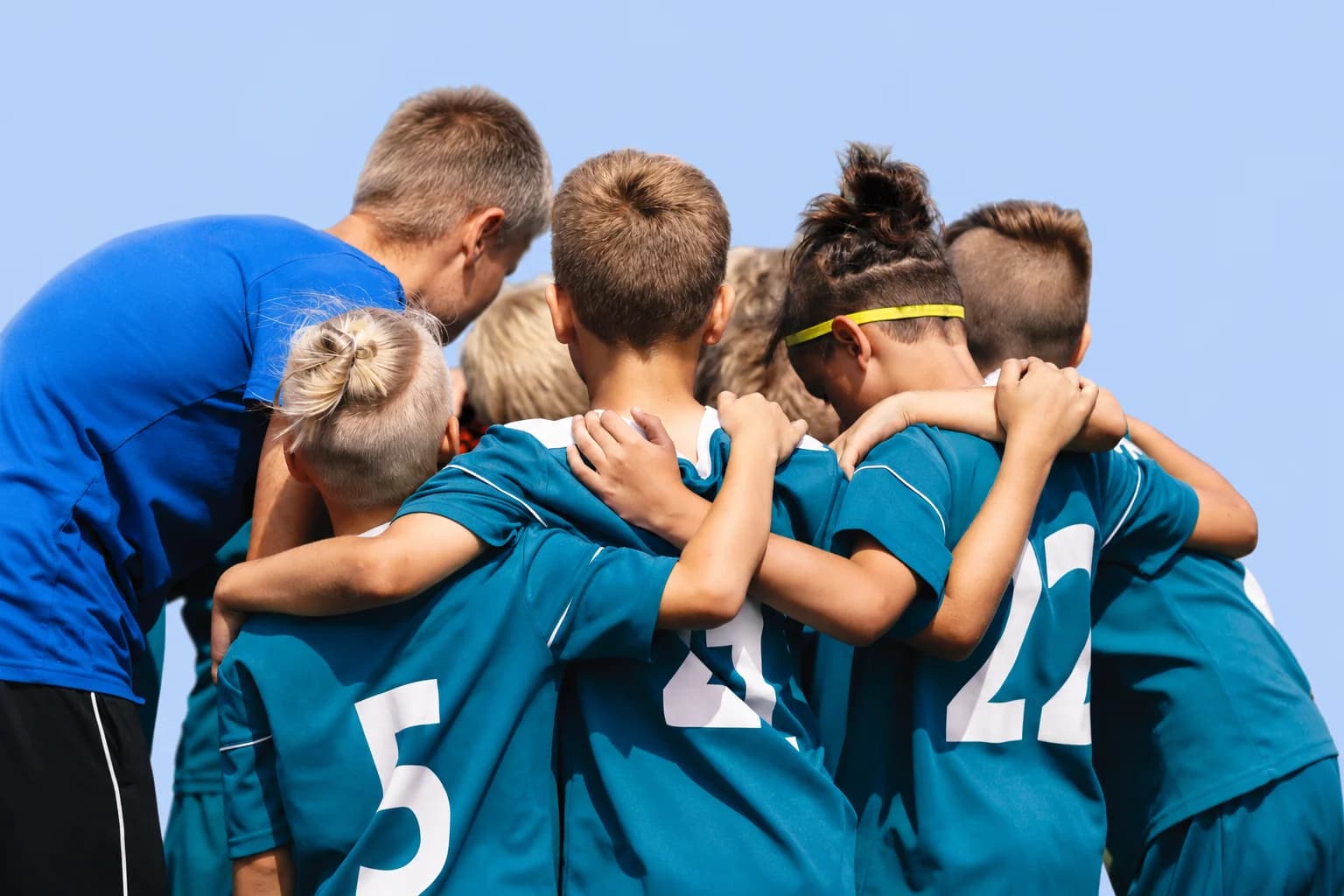
If getting an autistic child onto a field or into a pool has ever felt complicated, you're not imagining it. Researchers have documented a real set of barriers, from sensory sensitivities around noise, heat, and touch, to the challenge of following complex rules, waiting for a turn, or tracking many players at once. Add in worries about injury, the sting of stigma, and a shortage of programs designed with these kids in mind, and it's easy to see why participation can lag. This is also an area where co-occurring conditions can layer on additional hurdles, something explored in the connection between ADHD and everyday emotional ups and downs.
The encouraging news is that many of these obstacles respond to thoughtful adjustments, and families have found a range of approaches that can ease the way. Some children do best when the sport is matched to their temperament — starting with lower-chaos, skill-based activities like swimming or martial arts before working toward the fuller swirl of a team game. Smaller groups, quieter venues, predictable routines, visual supports, and simple, clearly explained rules can all lower the sensory and mental load. Sharing what motivates your child, what tends to overwhelm them, and how instructions land best can turn a coach into a genuine ally, and inclusive or adaptive programs — including Unified and parasport options — are designed with exactly that partnership in mind.
Because motor needs so often go unaddressed, some families find it helpful to keep their child's broader care team, such as occupational or physical therapists, in the loop. Sports can sit comfortably alongside that support rather than replacing it.