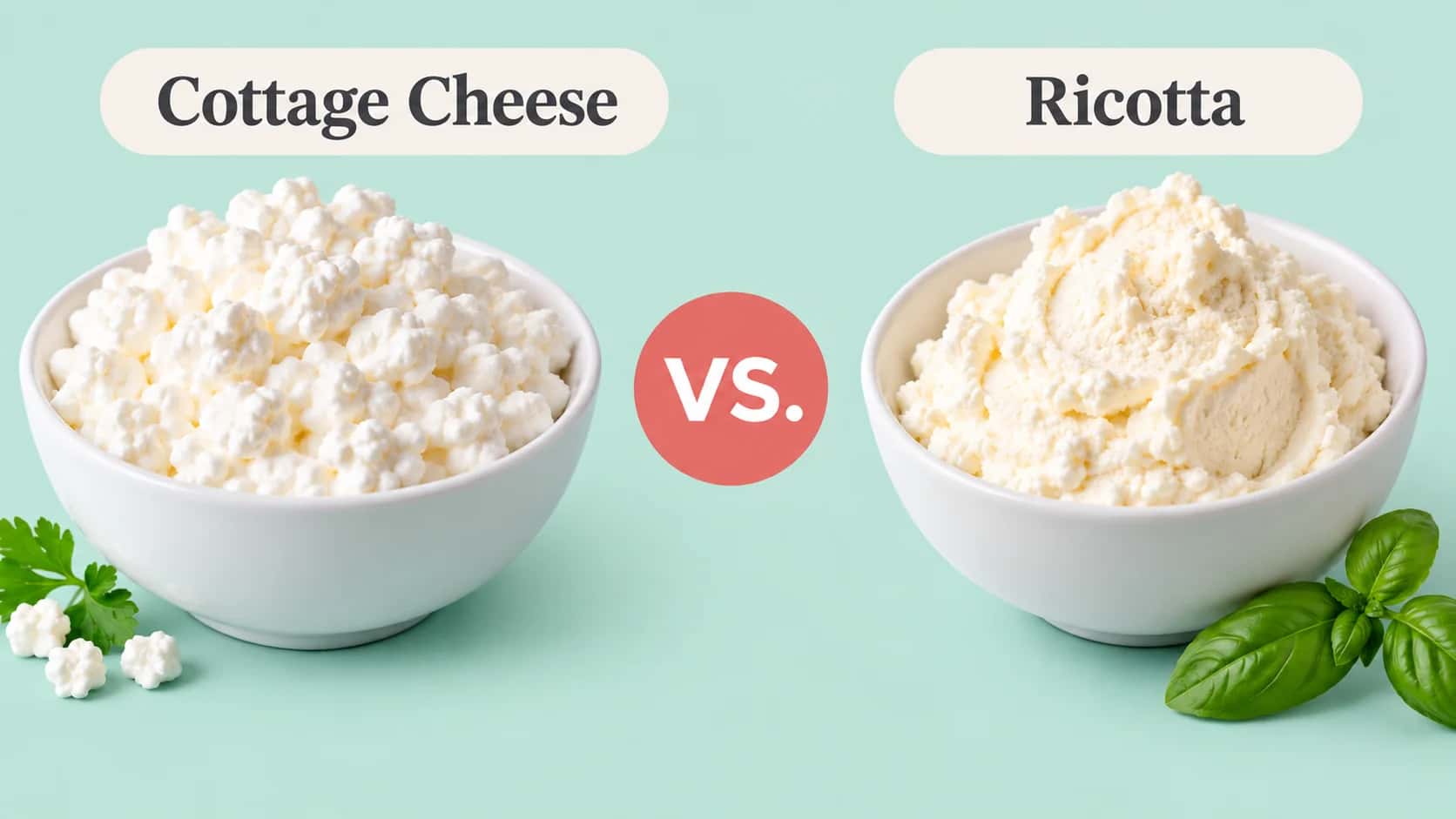
Picture the dairy case on a busy afternoon. Three tubs sit within arm's reach of each other, each one promising to be thick, creamy, and packed with protein. One is cottage cheese, cool and pillowy with soft curds. Next to it is Greek yogurt, dense and tangy. And on the top shelf, often with the highest price tag, is skyr, the Icelandic favorite that looks almost like pudding. They seem interchangeable, yet the numbers on their labels, and the numbers on their price stickers, tell three very different stories.
Here is the reframe that makes this whole comparison simpler: you are not really shopping for yogurt or cheese. You are shopping for protein, calcium, and a snack that fits your life and your budget. Once you look at these three that way, the choice gets a lot clearer, and a little more interesting.
In this showdown, we will put cottage cheese, Greek yogurt, and skyr side by side on the things that actually matter at the table and at the register: protein, calories, sugar, sodium, calcium, live cultures, and the metric almost no one calculates but everyone should, which is cost per gram of protein. By the end, you will know which one earns a spot in your cart for your specific goal, whether that is building muscle, trimming calories, watching your blood pressure, or simply stretching your grocery dollar.