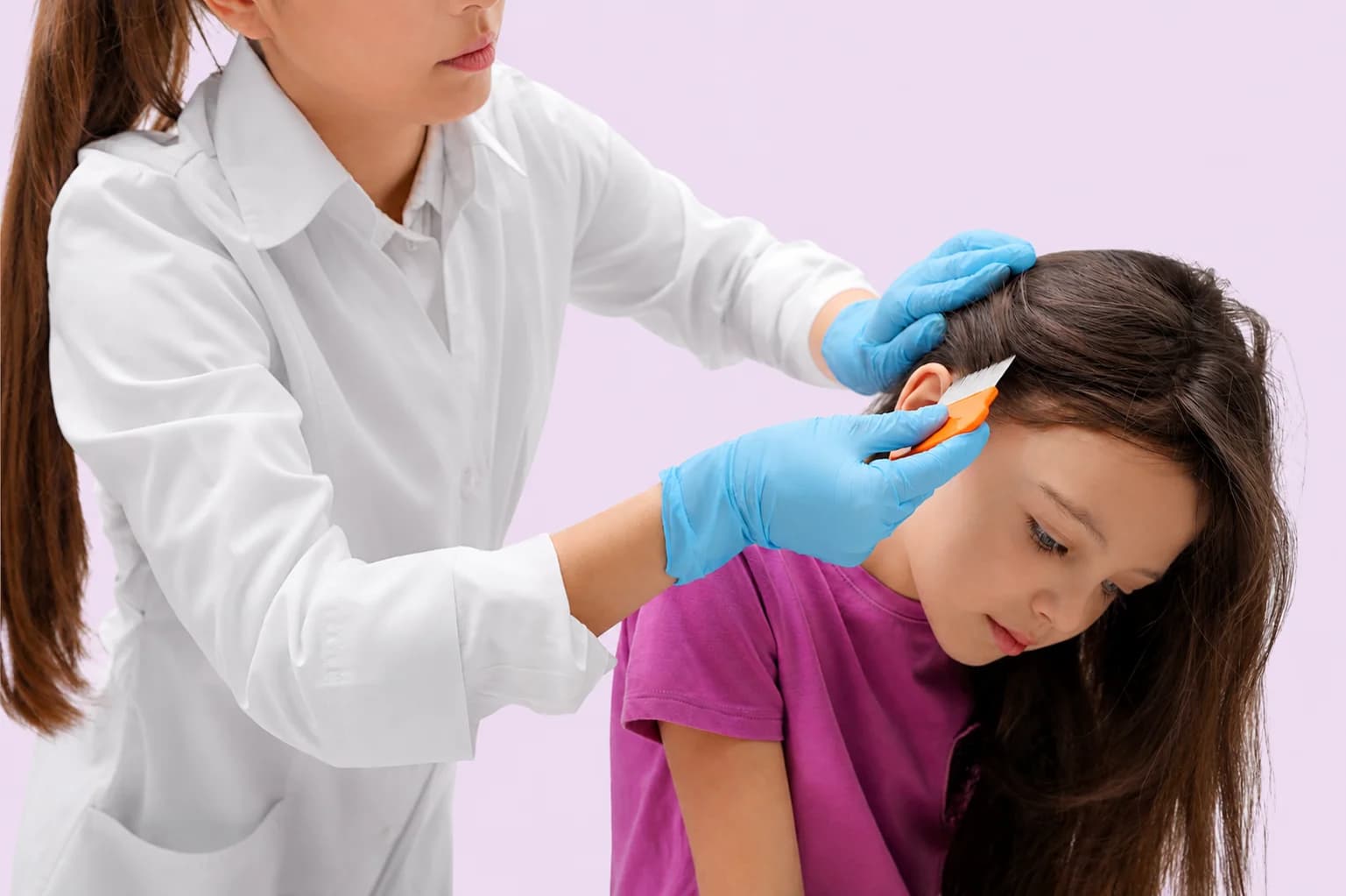
Here is the part that tends to surprise people most, and in a good way. Because body lice live in fabric, treating the fabric is the heart of the solution. Medication exists and has its place, but for most people it is not where the story begins.
Hygiene Comes First
The primary approach that public health agencies describe is improved hygiene and access to regular changes of clean clothes. In practical terms, that means bathing with soap and water and changing into freshly laundered clothing, ideally at least once a week, and often daily until the lice and nits are gone. The CDC notes that when hygiene is maintained and items are washed properly, a medicated treatment is generally not necessary at all.
The laundry details do matter, though, because ordinary washing is not always enough. Infested clothing, bedding, and towels are best washed in hot water of at least 130 degrees Fahrenheit (54 degrees Celsius) and then machine dried on a hot, high-heat cycle. Mayo Clinic suggests at least 20 minutes of high heat, while Cleveland Clinic points to at least 30 minutes, so erring toward the longer, hotter end is a safe bet. A few more options round things out:
- Items that cannot be machine washed can be dry-cleaned, or sealed inside a plastic bag for two weeks so that any lice and newly hatched nymphs die off.
- Ironing the seams of clothing and bedding adds another layer of heat where lice like to hide.
- Vacuuming floors and furniture can help sweep up any stragglers.
When Medication Enters the Picture
If diligent hygiene and laundering are not enough on their own, medicated lotions become an option worth discussing. Over-the-counter products containing 1 percent permethrin (Nix) or pyrethrin (Rid) are commonly available. According to Mayo Clinic, these are applied to the affected areas at bedtime, rinsed off in the morning, and repeated after eight days, and they should not be applied to the face.
When over-the-counter treatments do not do the job, stronger prescription options may be considered under a healthcare provider's direction. These can include malathion lotion, which is washed off after 8 to 12 hours, or oral ivermectin, taken as a single dose of two pills with another dose about ten days later if it is needed. Because these are prescription therapies, they are a conversation to have with a clinician rather than something to try on your own.
Soothing the Itch
Relief from the itching is its own worthwhile goal, both for comfort and to reduce the temptation to scratch. Over-the-counter antihistamines, taken by mouth or applied to the skin, and hydrocortisone cream can help ease itching and swelling. If the skin does get broken, keeping the area clean lowers the risk of infection. One last myth is worth retiring here: despite its folk reputation, vinegar does not kill body lice, and the Cleveland Clinic does not recommend it.