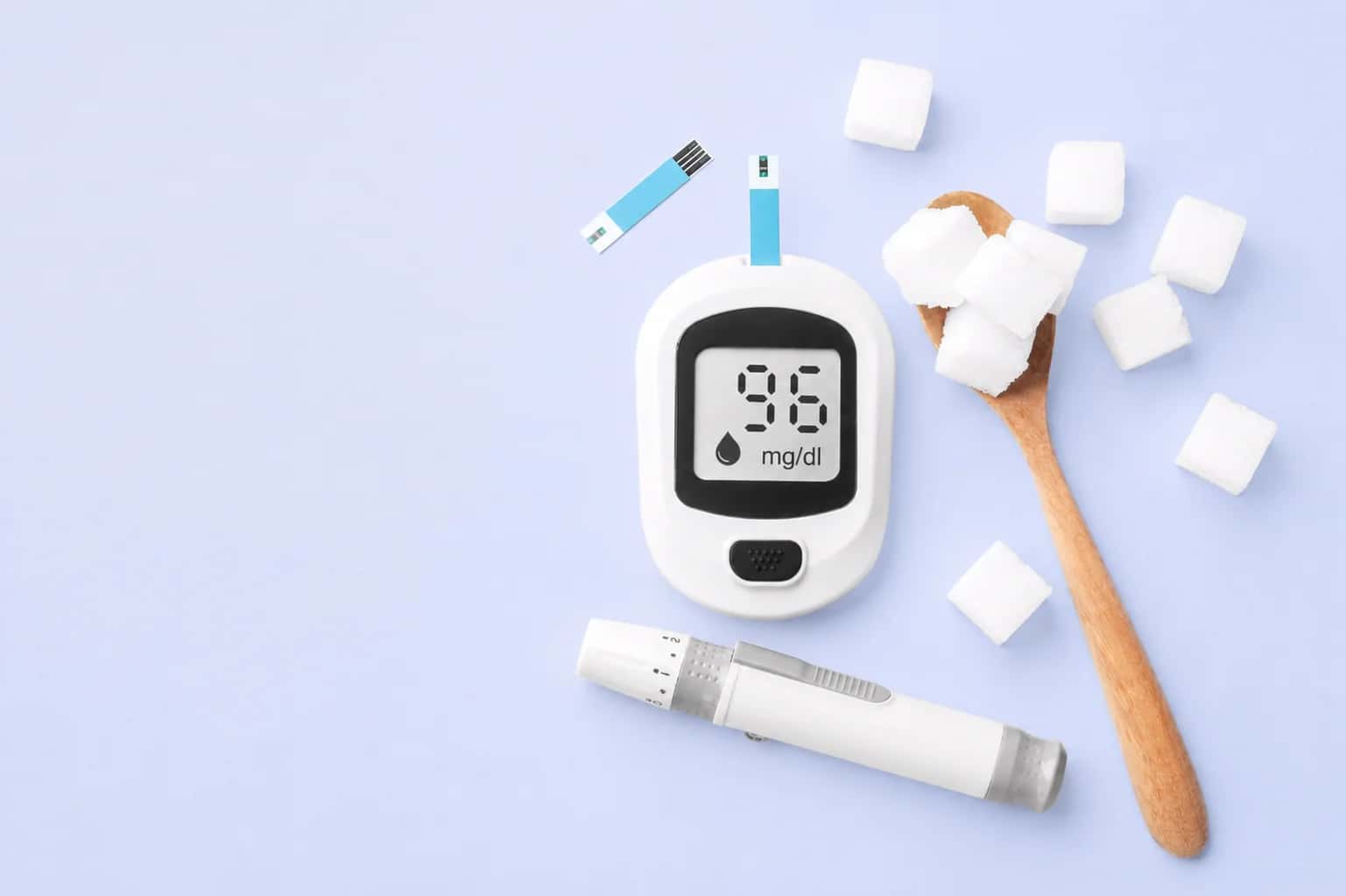
Blood sugar is where berberine has earned its reputation, and it is where the evidence is strongest. Most of the research has been done in people with type 2 diabetes, and in many of those studies berberine was used alongside standard care rather than in place of it.
The numbers tell a consistent story. A systematic review and meta-analysis of randomized trials found that berberine lowered HbA1c, the three-month average of blood sugar, by a pooled mean of about 0.73 percentage points compared with control, along with meaningful drops in fasting and after-meal glucose, as reported in a pooled analysis of type 2 diabetes trials. To put that in perspective, a shift of half a point or more in HbA1c is the kind of change clinicians take seriously, even if it is smaller than what the strongest diabetes drugs deliver.
Those findings are not a fluke of one small study. A larger 2024 review pulling together 46 randomized controlled trials found the same pattern of improved glycemic control, whether berberine was taken on its own or added to conventional treatment. Umbrella analyses that combine multiple meta-analyses land in similar territory, and they add that berberine tends to improve markers of insulin resistance, such as fasting insulin and a measure called HOMA-IR, which reflects how efficiently your body is using its own insulin.
It would be easy to stop there and call it settled, but the trustworthy version of this story includes a caveat. As Cleveland Clinic points out, many berberine studies are small, relatively short, and not always high in methodological quality, so these early positive findings are best read as encouraging rather than definitive. The direction of the evidence is steady and repeatable. The certainty is still catching up. If you are already tracking your numbers, berberine may be one of several tools worth discussing, alongside the foods that help manage blood sugar that form the foundation of everyday glucose control.