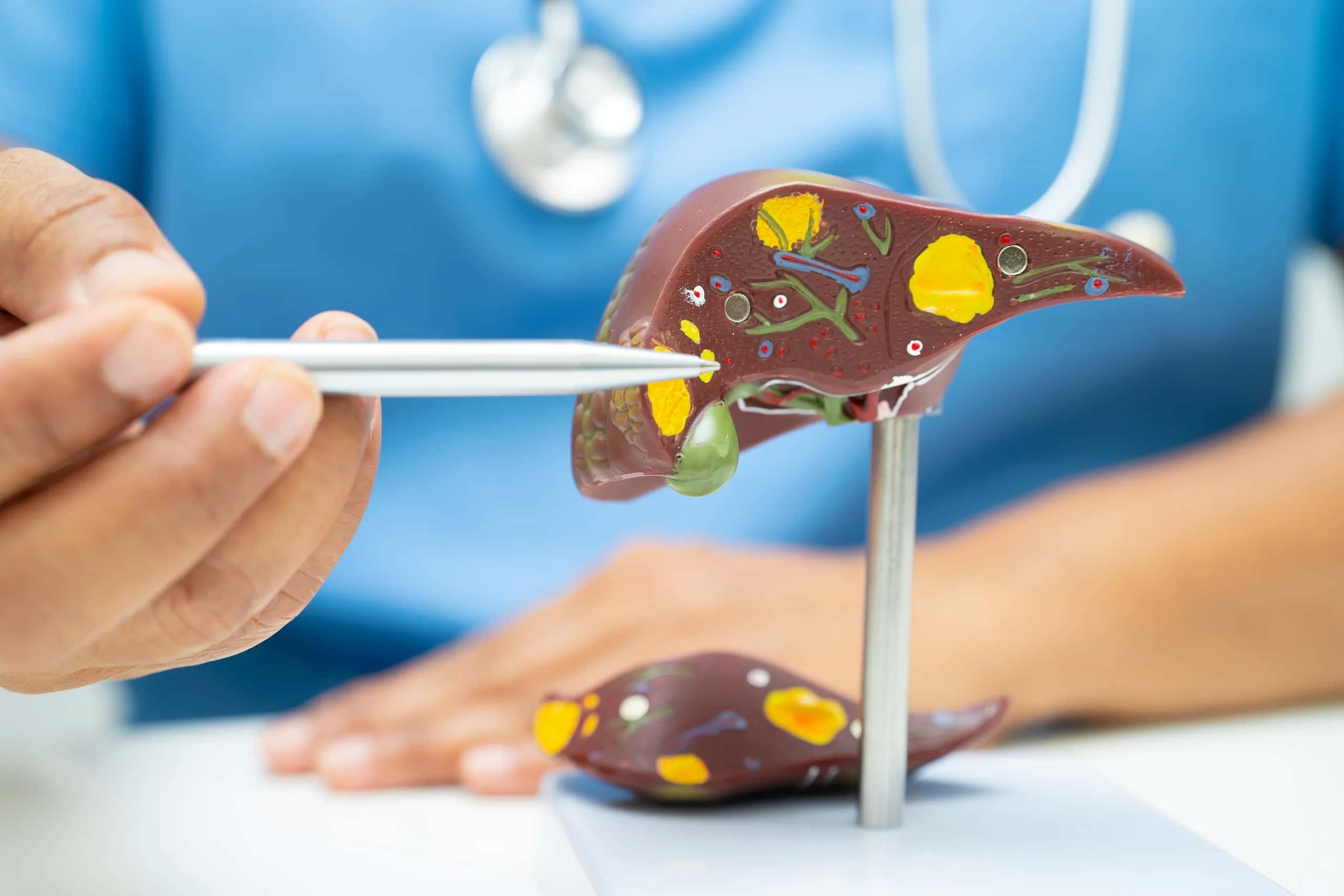
Step back from the individual foods and a single pattern comes into focus: the Mediterranean way of eating. It leans on vegetables, fruit, whole grains, beans, fish, nuts, and olive oil, and it is the eating pattern most consistently recommended for fatty liver. The evidence is striking. In an 18-month randomized trial, a green-Mediterranean diet cut liver fat by about 39 percent, compared with roughly 20 percent for a standard Mediterranean diet and 12 percent for general healthy-eating guidelines, and the liver-fat benefit held even after accounting for weight loss.
One food worth calling out beyond the daily five is fatty fish. Salmon, sardines, mackerel, and trout are rich in anti-inflammatory omega-3s, and aiming for three or more servings a week gives your liver a meaningful dose. It sits just outside the daily list only because it is a few-times-a-week food rather than an every-single-day one.
A simple way to assemble any meal is the plate method: fill half your plate with non-starchy vegetables or fruit, a quarter with whole grains or starchy vegetables, and a quarter with a protein like fish, poultry, or beans. Pair that with modest, steady weight loss if you have weight to lose, and the effect compounds.
Here is a quick reference you can screenshot for your next grocery run, matching the everyday offenders with the food worth reaching for instead:
None of this needs to happen all at once, and it is not about doing it perfectly. Picking one or two swaps and letting them become routine is often what turns the numbers around. Because your situation is your own, it is always worth talking through a specific plan with your own healthcare team, who can tailor it to you and, if it helps, connect you with a dietitian. If you like the idea of building good defaults, our guide to foods worth eating almost every day is a gentle next step.